Blog

  • Small Rooms

    You never raised your voice

    high enough

    for the world to hear.

    That was the first thing

    that made it hard to name.

    Control didn’t arrive

    as shouting or slammed doors—

    it came softly,

    wrapped in concern,

    dressed like love

    that just wanted to keep me safe.

    You asked where I was going

    as if worry lived in the question.

    You read my silence

    like permission.

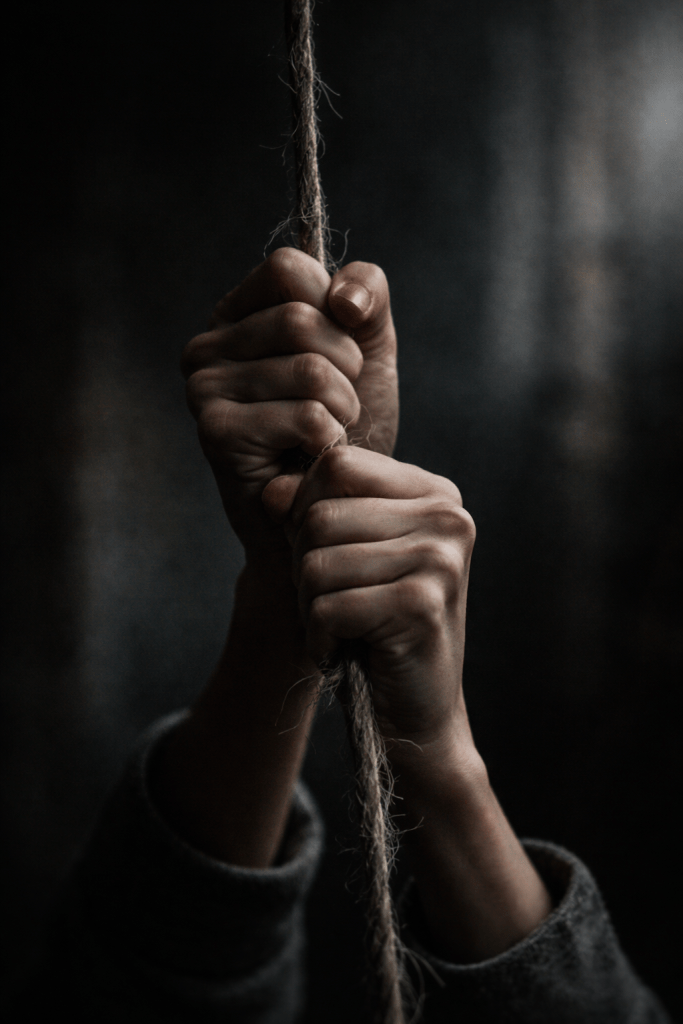
    You slowly folded my world smaller

    until it fit neatly

    inside your comfort.

    I told myself

    this is what devotion looks like.

    This is what commitment asks for.

    This is what good partners do—

    they adjust,

    they soften,

    they stop needing so much space.

    So I became quiet

    in places that once felt bright.

    Careful with laughter.

    Careful with friends.

    Careful with any version of myself

    that didn’t revolve around you.

    The strangest part

    is how invisible it was.

    No bruises.

    No broken glass.

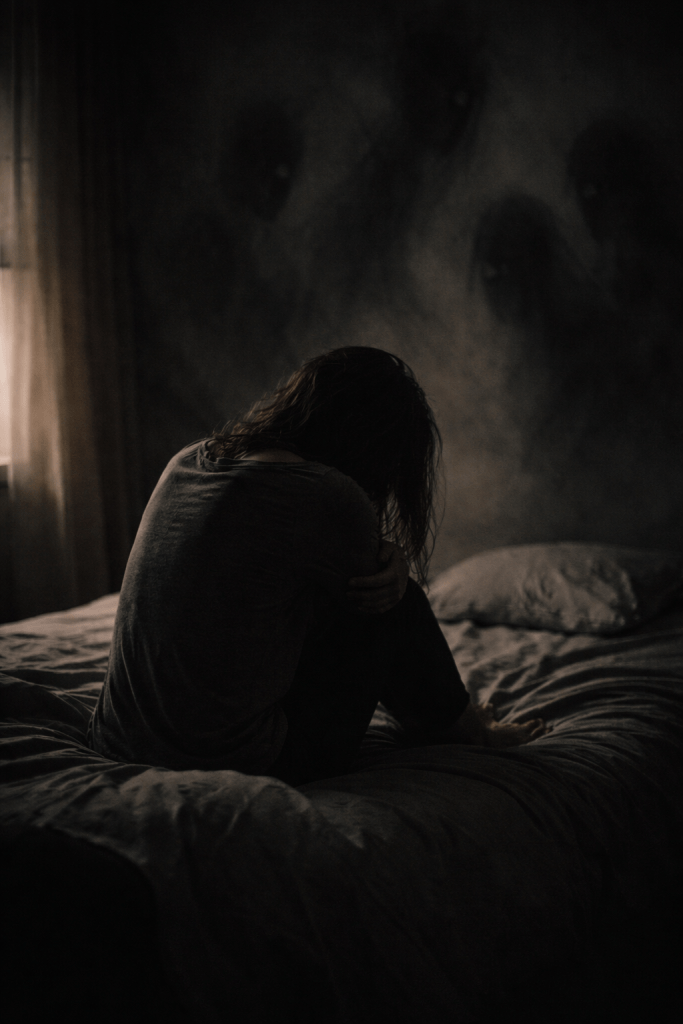
    Just the slow disappearance

    of a woman

    who used to feel like sky.

    And you called it love.

    Maybe part of you

    believed that.

    Maybe control

    was the only language

    you were ever taught

    to speak.

    But love

    should not feel

    like permission

    I have to earn.

    It should not shrink

    when I grow.

    It should not tremble

    when I stand up straight

    and take a full breath.

    I know that now.

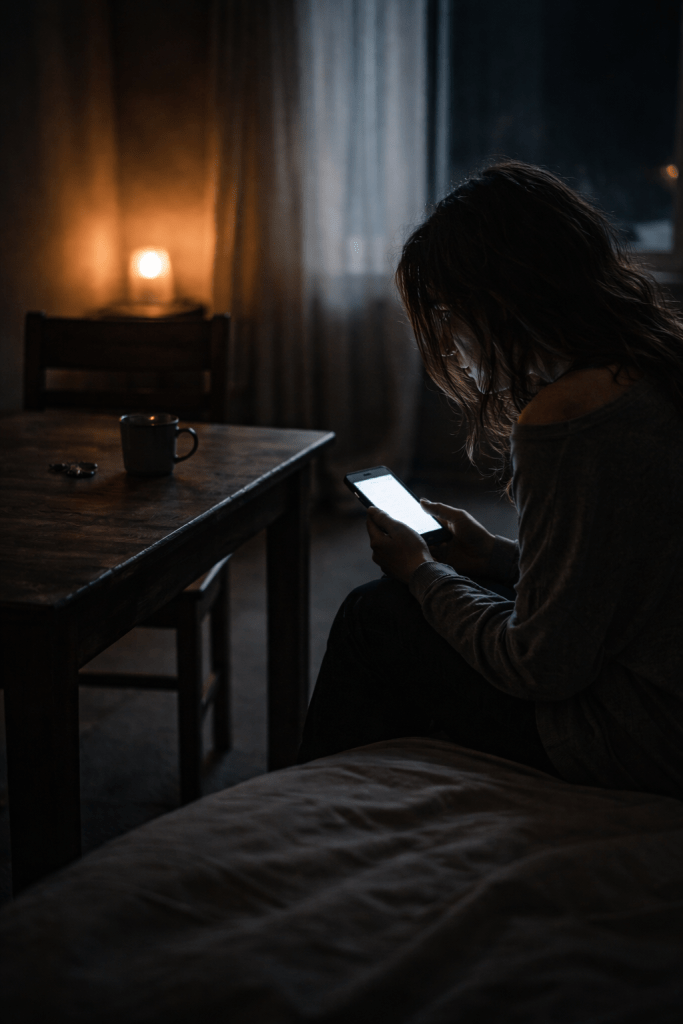
    Because the day I noticed

    how small the room had become

    was the day a window

    finally appeared.

    Not open—

    just visible.

    And sometimes

    freedom begins

    that quietly.

    With the simple,

    dangerous thought:

    I was never meant

    to live

    this small.

  • Slow Erosion of Self

    It didn’t happen all at once.

    No single moment

    I could point to and say,

    there—

    that’s where I lost myself.

    It was quieter than that.

    More like water

    touching stone

    day after patient day,

    until the edges

    forgot

    how to be sharp.

    I started letting small things go—

    opinions

    that felt too heavy to defend,

    dreams

    that needed more space

    than the room allowed,

    pieces of laughter

    that sounded wrong

    in the wrong silence.

    Nothing dramatic.

    Nothing anyone would notice.

    Just the slow trade

    of truth for peace,

    of voice for calm,

    of self

    for staying.

    I became easy.

    Agreeable.

    Low-maintenance

    in all the ways

    that make a person

    hard to find again.

    And the strangest part

    was how normal it felt.

    How erosion

    can look like love

    when you’re standing

    inside it.

    Until one day

    I reached for myself

    out of habit—

    and touched

    only absence.

    No anger.

    No clear grief.

    Just a quiet question

    echoing through

    a hollow place:

    When did I disappear?

    I wish I could say

    this is the part

    where everything returns

    bright and certain.

    But truth is slower.

    Healing begins

    not with becoming whole,

    but with noticing

    what’s missing.

    With naming

    the emptiness

    instead of decorating it.

    With the fragile decision

    to believe

    a self can be rebuilt

    from fragments

    no one else

    thought were worth keeping.

    So now

    I gather pieces—

    a boundary here,

    a memory there,

    one honest word

    spoken softly

    into open air.

    It isn’t dramatic.

    It isn’t fast.

    But erosion

    took time.

    And maybe

    returning

    will too.

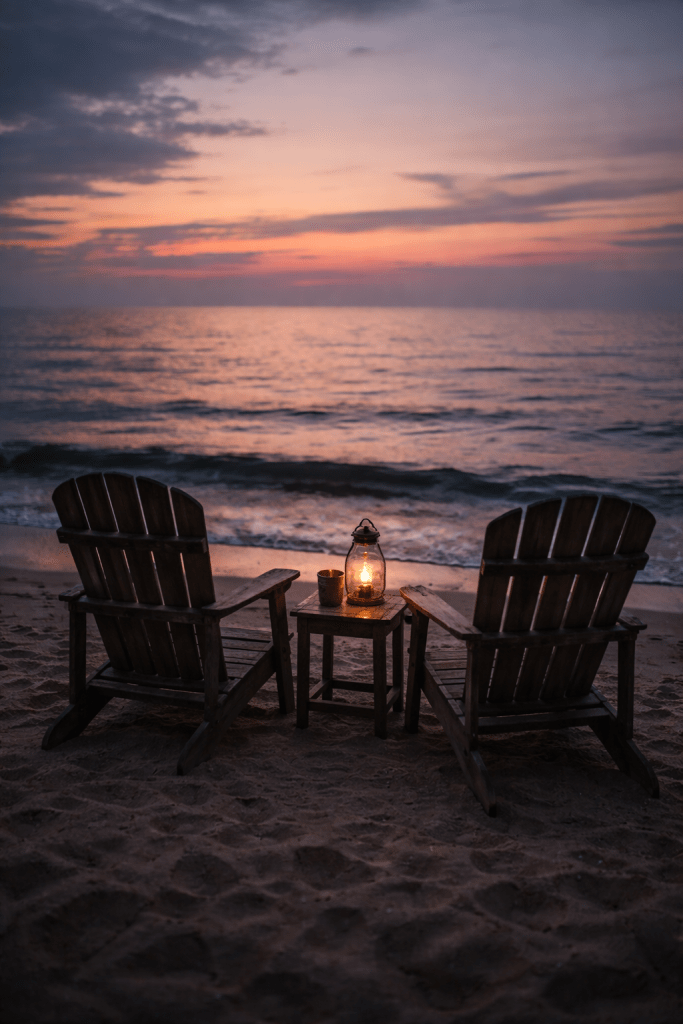
  • When the Sun Sets

    When the sun sets,

    everything softens.

    Edges blur.

    Voices quiet.

    The world loosens its grip

    on the day it just survived.

    There’s something honest

    about that hour—

    when the light pulls back

    without apology,

    and even the sky

    admits it cannot burn forever.

    I used to fear sunsets.

    They felt like endings—

    like proof that warmth

    is always temporary,

    that everything beautiful

    is already on its way

    to disappearing.

    But now I see it differently.

    The sun doesn’t set

    because it failed.

    It sets because rest

    is part of the rhythm.

    Because even light

    needs somewhere

    to lay down.

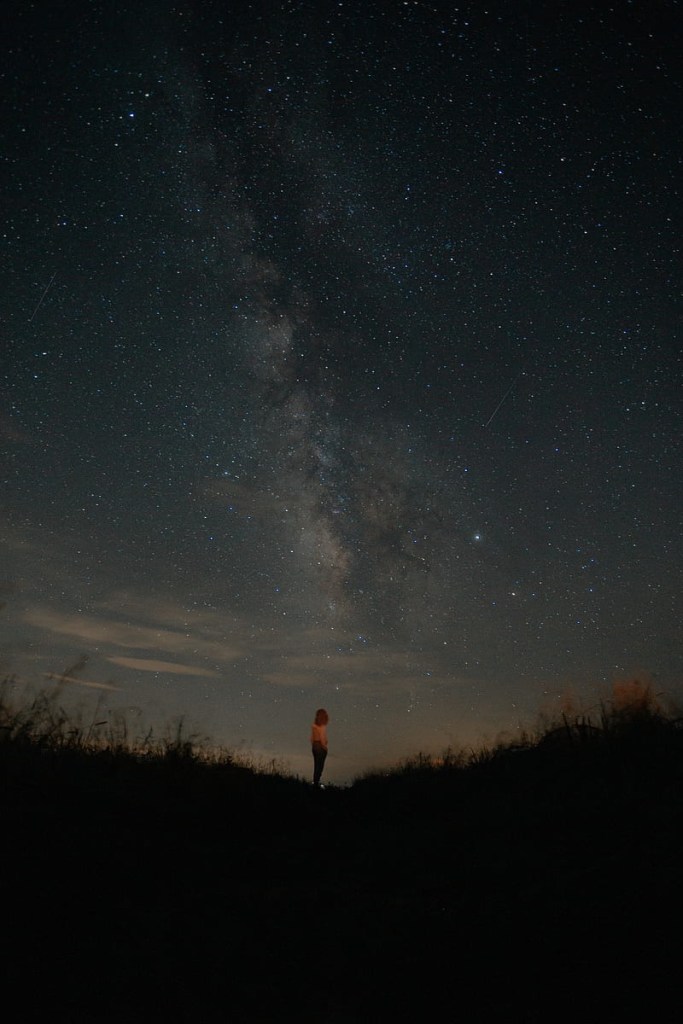
    And the dark that follows

    is not punishment.

    It is quiet.

    It is breathing space.

    It is the place

    where stars get their chance

    to speak.

    When the sun sets,

    nothing is lost.

    It is only shifting—

    making room

    for a different kind

    of brightness.

    Maybe we are like that too.

    Maybe our hard days

    aren’t endings.

    Maybe they are

    just the lowering of light

    before something gentler

    rises.

    So when the sun sets,

    I don’t panic anymore.

    I let it go.

    I let the sky dim.

    I trust that somewhere

    beyond what I can see,

    light

    is already

    on its way back.

  • Hard Seasons

    Some seasons don’t announce themselves

    with thunder.

    They slip in quietly—

    a slow dimming of color,

    a heaviness in the air

    that no one else seems to notice.

    You keep moving.

    You answer questions.

    You show up where you’re expected.

    But something inside you

    is walking through mud

    no one can see.

    Hard times don’t always look dramatic.

    Sometimes they look like

    laundry folded with tired hands,

    like unread messages,

    like staring at the ceiling

    and bargaining with morning.

    You tell yourself

    this is temporary.

    You tell yourself

    you’ve survived worse.

    You tell yourself

    strength is just endurance

    with better branding.

    But endurance gets lonely.

    There are nights

    when hope feels like a rumor,

    like something other people

    in brighter houses

    get to believe in.

    And still—

    you breathe.

    Not heroically.

    Not bravely.

    Just consistently.

    You take one small step

    because the floor is still there.

    You drink water.

    You answer one email.

    You let the day pass

    without demanding it be beautiful.

    And that counts.

    Hard seasons shape you

    in ways sunshine never could.

    They carve quiet resilience

    into your bones.

    They teach you

    that surviving

    is not the same as failing.

    One day,

    you will look back

    and realize

    you were growing

    in the dark.

    Not all growth

    reaches for light immediately.

    Some of it happens underground—

    roots stretching deeper

    so that when the wind returns,

    you don’t fall.

    Hard times are not the whole story.

    They are chapters—

    heavy ones, yes,

    but still turning.

    And if all you do today

    is stay—

    if all you manage

    is another breath—

    that is not weakness.

    That is a beginning.

  • Not Forever

    I don’t want

    forever

    to come in an orange bottle.

    Don’t want my mornings

    measured in milligrams,

    my stability

    scheduled between refills,

    my future

    printed in tiny pharmacy text

    I can barely read.

    I know what they say—

    that this is help,

    that this is balance,

    that this is how I stay

    safe

    and here.

    And part of me

    is grateful.

    Because I remember

    what life felt like

    before the quiet

    was possible.

    But another part of me

    keeps whispering:

    Is this the only way?

    Will I ever stand

    without the scaffolding?

    Will healing ever mean

    freedom instead of maintenance?

    I don’t want to fight

    the people trying to help me.

    I don’t want to romanticize

    the chaos I survived.

    I just want to believe

    there is a version of living

    where my body

    knows how to be steady

    on its own.

    Where peace

    isn’t borrowed.

    Where calm

    isn’t counted.

    Where staying alive

    doesn’t feel like

    a prescription.

    Maybe forever

    isn’t the point.

    Maybe the point

    is staying

    long enough

    to grow into someone

    who has choices

    I can’t see yet.

    So for now

    I hold two truths

    at the same time—

    I don’t want this

    to be forever.

    And I still want

    to be here

    long enough

    to find out

    what isn’t.

  • Missing You

    I didn’t think being away would feel like this —

    like living in a pause.

    The world keeps spinning,

    and I’m somewhere outside of it,

    trying to remember how to breathe again.

    They say this is where healing happens,

    but no one tells you that healing can feel

    a lot like breaking in private.

    Like tearing down the parts of yourself

    you built just to survive.

    I miss you in the quiet moments —

    in the slow mornings when the walls hum softly,

    in the long nights where time forgets how to move.

    It’s not just your voice I miss,

    it’s the way your presence steadied me,

    the way your silence felt like understanding.

    Some days, I want to tell you everything —

    how it hurts to be here,

    how it’s lonely even surrounded by people,

    how I’m learning to sit with the pieces of myself

    I used to keep buried.

    But I know I’m here for a reason.

    I know I have to face the dark before I can find the light again.

    Still, I carry you with me —

    in every small step, every shaky breath,

    every promise that I’ll come back whole.

    Missing you isn’t weakness.

    It’s proof that I’m still capable of love,

    even while learning how to love myself again.

  • The Flowers in the Vase

    The flowers in the vase are still beautiful, even as they begin to die.

    Their colors have softened, their edges curled inward — as if holding on to what little life remains. Every day they grow a little quieter, but somehow, they still make the room feel alive.

    There’s something haunting about beauty that’s temporary. You can see the way time touches it — gently, but inevitably. The petals fall, one by one, and yet I can’t bring myself to throw them away. Maybe it’s because they remind me that even endings can be beautiful.

    Sometimes I think love is like that — the flowers in the vase.

    We keep it close even after it’s faded, because letting go feels like erasing what once made us feel alive. We hold on to the memory of its bloom, even as it wilts in front of us.

    But maybe that’s what makes it real. The fact that it doesn’t last. The way it hurts to watch beauty fade — that’s proof that it mattered. That it was alive.

    And when I look at those flowers, I don’t see loss.

    I see the softness of something that once thrived, the quiet surrender of something that loved the sunlight so much it stayed open even as the light disappeared.

    Maybe beauty isn’t in the bloom after all.

    Maybe it’s in the staying — the way we keep something long after it’s gone, just to remember how it once made us feel.

  • Wildfire

    Maybe it’s just the way

    your heart leans toward comfort—

    toward quiet things,

    easy truths,

    places that don’t feel like risk

    or revelation.

    And that’s all right.

    Not every soul

    is meant to wander into the flames,

    not every pair of hands

    is steady enough

    to hold something burning.

    Some hearts want gentle—

    the kind of calm

    that doesn’t shake their edges,

    the kind of love

    that never asks them

    to grow,

    to change,

    to rise beyond who they were yesterday.

    Some hearts

    weren’t made

    to love a wildfire—

    a woman who loves fiercely,

    breaks honestly,

    and glows even

    in her darkest moments.

    A wildfire is a force—

    unapologetic,

    uncontained,

    the kind of heat

    that leaves you touched forever

    even if you only stood close

    for a moment.

    She doesn’t smolder quietly.

    She burns bright

    because she has to,

    because something in her

    was never meant

    to be small.

    And if you could not stay—

    if the fire felt too much,

    too honest,

    too alive—

    that’s all right.

    Not every story

    is written for the flames.

    But remember this:

    what you left behind

    will still rise,

    still blaze,

    still turn her own scars

    into something golden.

    Because that’s what fire does.

    It survives,

    it transforms,

    it becomes.

  • Sometimes We’re Broken and We Don’t Know Why

    Sometimes we’re broken

    and we don’t know why—

    there’s no moment to point to,

    no sharp edge we tripped over,

    no memory that explains

    the heaviness we wake up with.

    Some wounds aren’t from events,

    but from seasons.

    From slow storms

    that soaked us through

    before we even realized

    we were standing in the rain.

    Sometimes the sadness

    isn’t loud or dramatic—

    it’s quiet,

    a small tear in the soul

    that widens over time

    until the light slips through

    and we mistake it for emptiness.

    We say we’re fine

    because nothing “bad” happened,

    but our hearts ache anyway,

    caught between the person we were

    and the one we’re trying to become.

    And maybe that’s the truth—

    maybe being broken

    doesn’t always have a reason.

    Maybe sometimes

    the heart just gets tired

    from carrying everything alone.

    But even then,

    even in that quiet unraveling,

    you’re not beyond repair.

    You’re just learning yourself

    in the hardest way—

    piece by fragile piece,

    pain by honest pain.

    And one day,

    the why won’t matter

    as much as the fact

    that you made it through

    without needing an answer.

  • Borrowed Happiness

    I was happy in the haze of a drunken hour,

    where the edges blurred

    and the ache softened just enough

    to feel like relief.

    For a moment, I didn’t have to carry

    the full weight of myself.

    Laughter came easier,

    memories felt kinder,

    and the world loosened its grip.

    In that fog, pain was distant—

    muted, negotiable,

    something I could outrun

    with another swallow,

    another borrowed sense of peace.

    I mistook numbness for healing

    and silence for rest.

    But heaven knows I’m miserable now.

    Clear-headed and heavy,

    left alone with everything

    I tried not to feel.

    The truth waits patiently

    for sobriety,

    for morning light,

    for the moment pretending runs out.

    There’s no romance in the aftermath—

    only the echo of what I avoided

    and the knowing that happiness

    built on escape

    never survives the night.

    I was happy for an hour, yes.

    But misery has a longer memory.

    And now I’m standing in it,

    fully awake,

    trying to learn how to live

    without needing to disappear

    to feel okay.