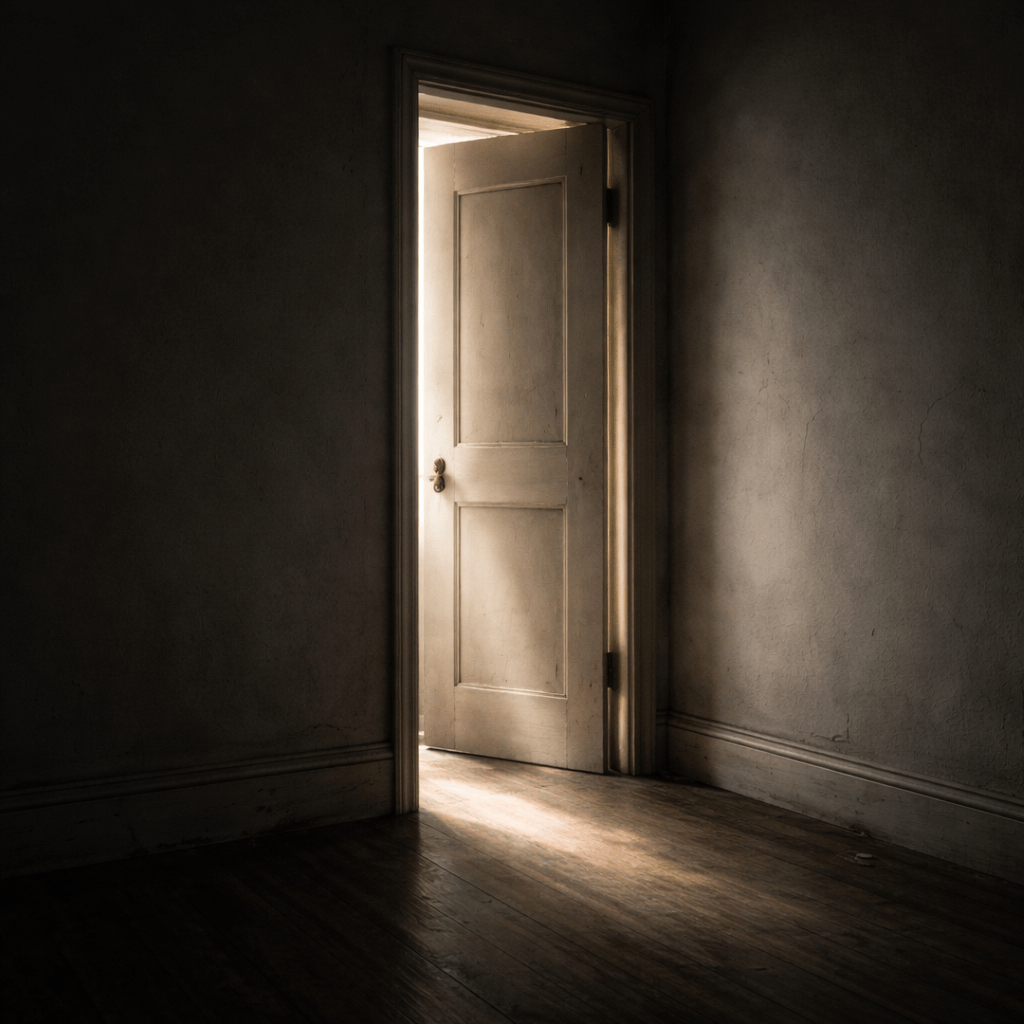
Tag: self loss

  • Small Rooms

    You never raised your voice

    high enough

    for the world to hear.

    That was the first thing

    that made it hard to name.

    Control didn’t arrive

    as shouting or slammed doors—

    it came softly,

    wrapped in concern,

    dressed like love

    that just wanted to keep me safe.

    You asked where I was going

    as if worry lived in the question.

    You read my silence

    like permission.

    You slowly folded my world smaller

    until it fit neatly

    inside your comfort.

    I told myself

    this is what devotion looks like.

    This is what commitment asks for.

    This is what good partners do—

    they adjust,

    they soften,

    they stop needing so much space.

    So I became quiet

    in places that once felt bright.

    Careful with laughter.

    Careful with friends.

    Careful with any version of myself

    that didn’t revolve around you.

    The strangest part

    is how invisible it was.

    No bruises.

    No broken glass.

    Just the slow disappearance

    of a woman

    who used to feel like sky.

    And you called it love.

    Maybe part of you

    believed that.

    Maybe control

    was the only language

    you were ever taught

    to speak.

    But love

    should not feel

    like permission

    I have to earn.

    It should not shrink

    when I grow.

    It should not tremble

    when I stand up straight

    and take a full breath.

    I know that now.

    Because the day I noticed

    how small the room had become

    was the day a window

    finally appeared.

    Not open—

    just visible.

    And sometimes

    freedom begins

    that quietly.

    With the simple,

    dangerous thought:

    I was never meant

    to live

    this small.

  • Slow Erosion of Self

    It didn’t happen all at once.

    No single moment

    I could point to and say,

    there—

    that’s where I lost myself.

    It was quieter than that.

    More like water

    touching stone

    day after patient day,

    until the edges

    forgot

    how to be sharp.

    I started letting small things go—

    opinions

    that felt too heavy to defend,

    dreams

    that needed more space

    than the room allowed,

    pieces of laughter

    that sounded wrong

    in the wrong silence.

    Nothing dramatic.

    Nothing anyone would notice.

    Just the slow trade

    of truth for peace,

    of voice for calm,

    of self

    for staying.

    I became easy.

    Agreeable.

    Low-maintenance

    in all the ways

    that make a person

    hard to find again.

    And the strangest part

    was how normal it felt.

    How erosion

    can look like love

    when you’re standing

    inside it.

    Until one day

    I reached for myself

    out of habit—

    and touched

    only absence.

    No anger.

    No clear grief.

    Just a quiet question

    echoing through

    a hollow place:

    When did I disappear?

    I wish I could say

    this is the part

    where everything returns

    bright and certain.

    But truth is slower.

    Healing begins

    not with becoming whole,

    but with noticing

    what’s missing.

    With naming

    the emptiness

    instead of decorating it.

    With the fragile decision

    to believe

    a self can be rebuilt

    from fragments

    no one else

    thought were worth keeping.

    So now

    I gather pieces—

    a boundary here,

    a memory there,

    one honest word

    spoken softly

    into open air.

    It isn’t dramatic.

    It isn’t fast.

    But erosion

    took time.

    And maybe

    returning

    will too.