Not because anyone told me outright, but because life showed me in small, cruel ways — the way people left without warning, the way silence always followed honesty, the way I kept giving pieces of myself and watching them be forgotten.
I thought I was somebody nobody could love.
So I learned to disappear before anyone could confirm it.
I became the friend who laughed too loud, the lover who didn’t ask for much, the person who said “I’m fine” even when I was anything but. I built walls and called them boundaries. I called loneliness “strength.”
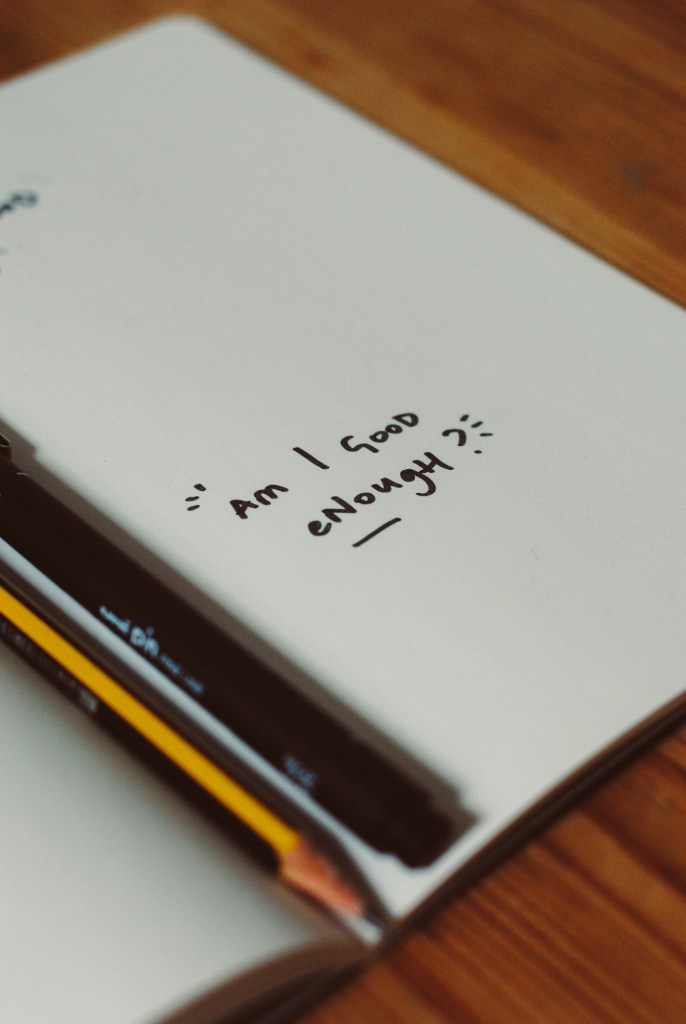
The truth is, I didn’t want to be loved — not really. I wanted to be seen and still chosen. I wanted someone to stay after finding out who I really was beneath the pretending. But when you spend enough time convincing yourself you’re unworthy, love starts to feel like a threat.
I thought I was somebody nobody could love.
But maybe it wasn’t love that was missing — maybe it was me.
Maybe I left myself long before anyone else did.
And now, slowly, painfully, I’m learning to return.
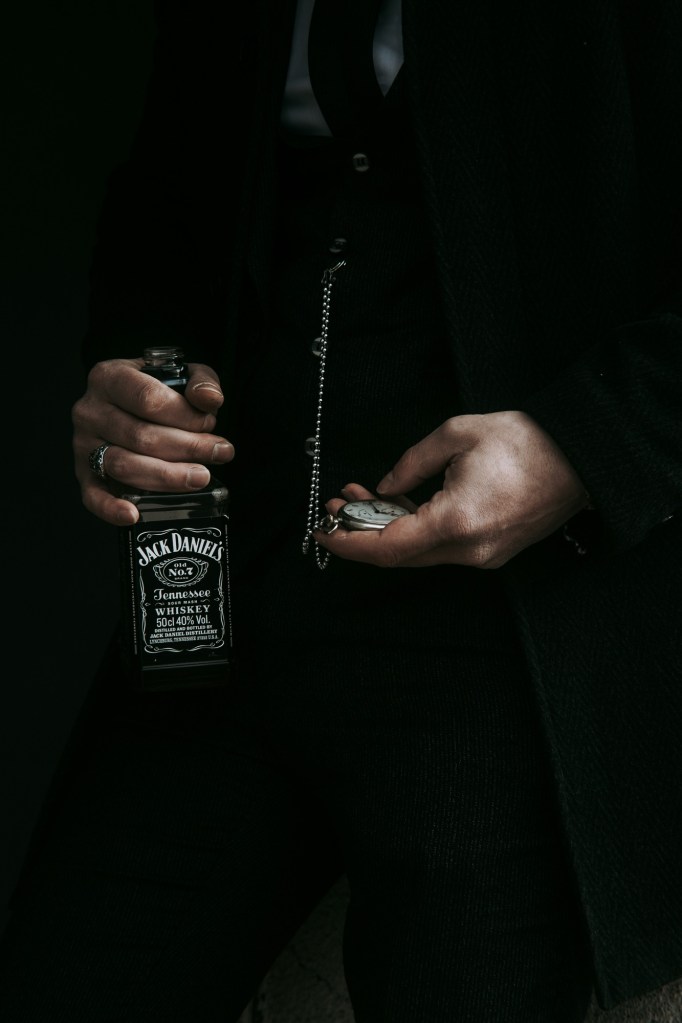
They were easier to love. They didn’t need anything from me — just my time, my body, my sanity. They didn’t ask for truth, didn’t care about promises. They just made everything quiet for a while.
I used to think they made me feel alive. But really, they just made me forget that I didn’t want to be. The high wasn’t joy — it was escape. A few seconds of peace borrowed from tomorrow.
And every time I swore I’d stop, I meant it. Until I didn’t. Because the pain always came back louder, meaner, hungrier than before.
You can’t love someone who’s already halfway gone.
And I was disappearing one hit at a time — not dying fast, just fading slow.
They say recovery is choosing yourself. But no one talks about how hard it is to love the person you became in the process. The shame, the memories, the wreckage you can’t sweep clean.
It was drugs or me.
And for the longest time, I didn’t think I was worth choosing.
But maybe now — shaky, sober, surviving — maybe I’m learning that I am.
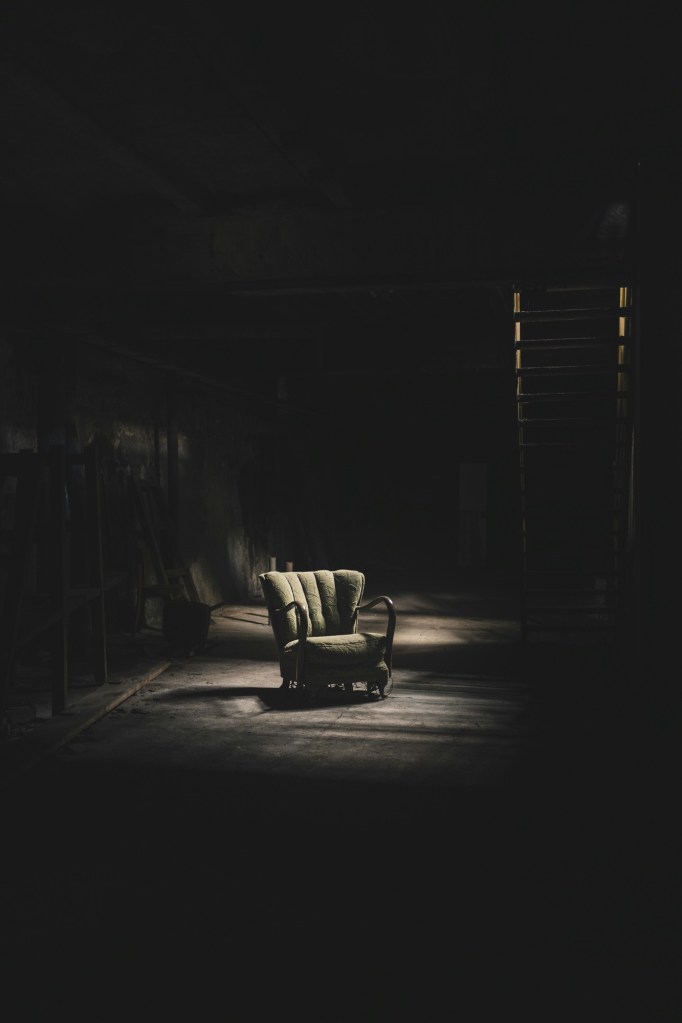
One moment I’m okay — maybe even a little happy — and the next, it’s like the air changes. The light fades. The room feels colder, emptier. The silence gets loud again.
I can be laughing, talking, even surrounded by people, and still feel that slow pull inward — that sudden drop where everything good starts to feel like a lie. It’s not dramatic; it’s quiet. A quiet collapse inside my chest that no one else can see.
I’ve tried to understand it. I’ve blamed hormones, exhaustion, trauma, the ghosts of everything I’ve tried to bury. Maybe it’s all of those things. Or maybe it’s just the echo of loneliness that never really leaves — it just waits for the noise to die down so it can crawl back in.
Depression doesn’t knock. It doesn’t announce itself. It just… arrives.
It takes your good day and turns it inside out until you’re left wondering if the good part ever happened at all.
And I hate how convincing it is — how real the emptiness feels when it returns. It tells me that I’m too much and not enough all at once. That everyone I love is just pretending. That I’m better off staying quiet because no one really wants to hear the truth anyway.
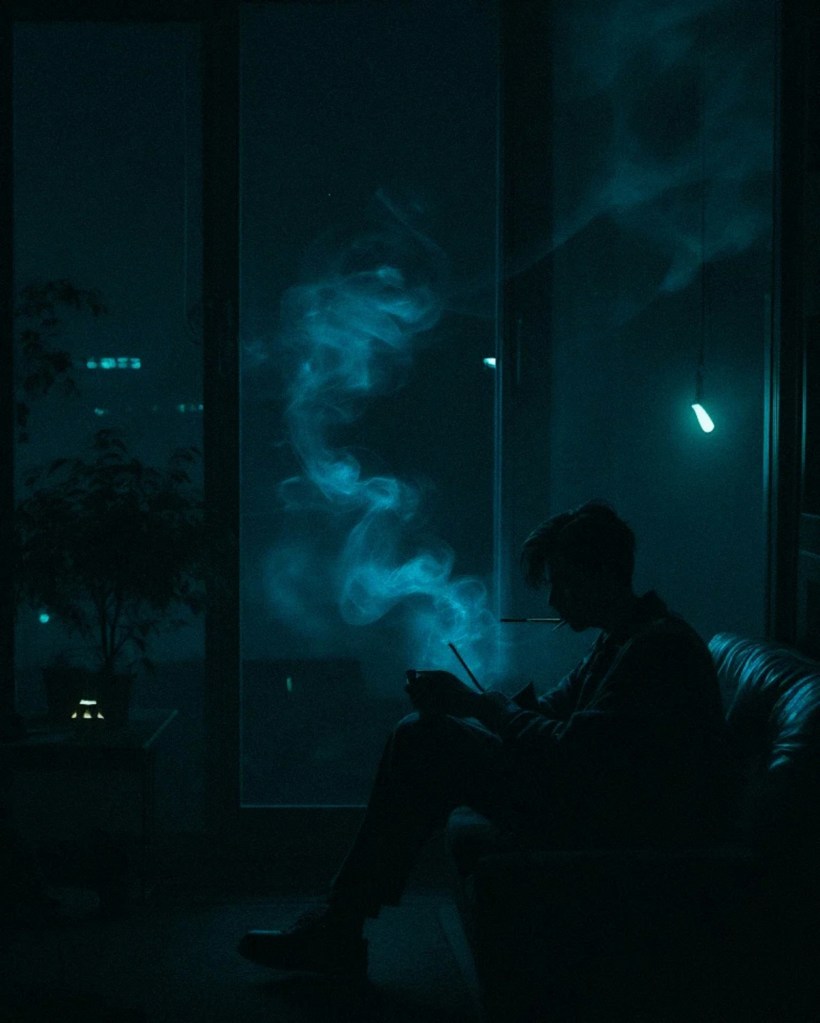
But I’ve lived enough days like this to know it passes. Maybe not quickly, maybe not cleanly, but it does. The good doesn’t disappear — it just gets harder to see through the fog.
So I breathe.
I remind myself that feeling alone isn’t the same as being alone.
That healing doesn’t mean I’ll never fall back into the dark — it just means I know the way out now.
How can I go from having a good day to feeling so alone?
Because healing isn’t linear. Because memory is heavy.
Because sometimes the heart still mourns the things the mind has moved on from.
And that’s okay.
The sun still rises, even when I can’t feel its warmth.
Recovery isn’t the clean, steady climb people imagine it to be.
It’s not a straight line, and it’s not always inspiring.
Sometimes it’s messy and painful — full of steps backward, relapses of thought, and nights spent questioning whether I’m really getting better or just getting used to the ache.
I’m fragile in recovery.
I wake up some days full of hope, and by nightfall, I’m drowning in doubt again. The smallest thing — a memory, a song, a smell — can pull me back into the dark, and I hate how easily I break. But breaking is part of it. Healing doesn’t mean the cracks disappear; it means learning how to live with them.
People think recovery is about strength, but I’ve learned it’s mostly about endurance — about showing up when your hands are still shaking. About forgiving yourself when you fall apart again, even after promising you wouldn’t.
There’s no finish line here.
No moment where I suddenly become whole again.
There’s just me — fragile, trembling, trying.
And maybe that’s enough.
Maybe being fragile in recovery means I’m still fighting,




 Through the Fog