Tag: Mental Health

  • Living in Agony

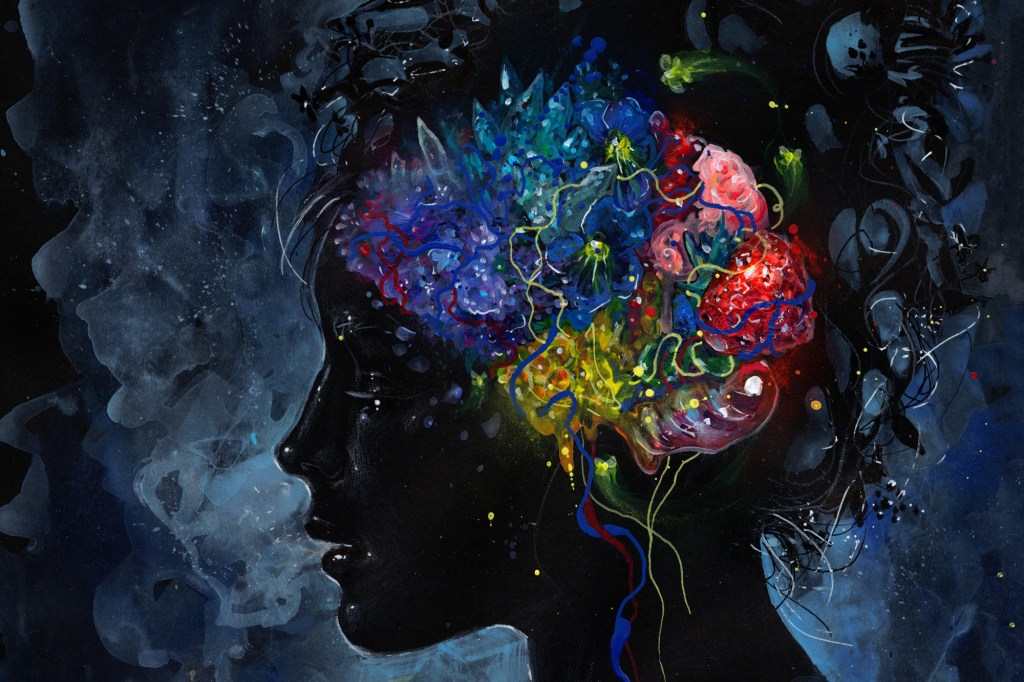
    I am living in my agony,

    not visiting it,

    not passing through on the way to something better—

    I’ve unpacked here.

    Learned the hours.

    Memorized the sound of my own breathing

    when the night stretches too wide.

    Pain isn’t dramatic anymore.

    It doesn’t shout.

    It hums.

    Low and constant,

    like a refrigerator in the dark—

    easy to ignore until the power goes out

    and you realize how loud it always was.

    I wake up already tired,

    already negotiating with myself

    about how much truth I can afford today.

    Some days I give nothing.

    Some days I bleed quietly into routine

    and call it productivity.

    I carry my agony politely.

    I hold doors.

    I smile.

    I ask other people how they’re doing

    and mean it—

    because focusing on their lives

    keeps me from inventorying my own wreckage.

    But it’s there.

    In the pauses.

    In the way I flinch at kindness

    like it might ask something of me later.

    In how I brace myself

    even when nothing is coming.

    Living in my agony means

    learning the weight of unshed tears,

    how they press behind the eyes,

    how they settle in the chest

    like a language I never learned to speak aloud.

    It means knowing that healing isn’t linear—

    it’s circular.

    You come back to the same wounds

    wearing different names,

    hoping this time they recognize you

    as someone who survived.

    I don’t romanticize this.

    There is nothing beautiful about endurance

    when it costs you pieces you can’t replace.

    There is nothing noble

    about being strong so long

    you forget what rest feels like.

    And still—

    I keep going.

    Not because I’m brave.

    Not because I believe everything will work out.

    But because something stubborn in me

    refuses to let the pain have the last word.

    Living in my agony

    doesn’t mean I’ve given up.

    It means I’m honest about where I am.

    It means I’m still here,

    even when here hurts,

    even when the only victory

    is making it to the end of the day

    without disappearing.

    This is not a cry for saving.

    It’s a statement of fact.

    A line drawn in the dirt

    that says:

    this is where I stand,

    this is what I carry,

    and despite it all—

    I am still breathing.

  • “You’re Really Gonna Cry, Brittney?”

    Photo Credit: Louis Galvez

    You didn’t raise your voice.

    You didn’t have to.

    You just smiled

    and rearranged the truth

    until I started apologizing

    for things you did.

    You said I was sensitive.

    Dramatic.

    Confused.

    You said my memory had holes,

    that my feelings were exaggerations,

    that my pain was inconvenient.

    And slowly—

    I believed you.

    I started second-guessing

    my own reactions,

    replaying conversations

    like crime scenes,

    looking for proof

    that I was the problem.

    You taught me how to mistrust myself.

    How to ask permission

    for my own emotions.

    How to swallow hurt

    and call it maturity.

    When I cried,

    you called it manipulation.

    When I asked questions,

    you called it paranoia.

    When I needed reassurance,

    you called it neediness.

    You were always so calm.

    So reasonable.

    So sure.

    And I was always unraveling,

    wondering how I could feel so wrong

    while you felt so right.

    You erased things gently—

    a sentence here,

    a moment there—

    until my reality felt slippery,

    like trying to hold water

    with shaking hands.

    I started keeping quiet.

    Not because I had nothing to say,

    but because I didn’t trust

    what I knew anymore.

    And that’s the cruelest part:

    you didn’t just hurt me—

    you made me doubt

    my ability to know

    when I was being hurt.

    But here’s what you didn’t count on.

    Memory comes back

    when distance does.

    Clarity returns

    when the noise leaves.

    And truth—

    truth is patient.

    I remember now.

    I remember how my body reacted

    before my mind caught up.

    I remember the way my chest tightened

    every time you said,

    “That never happened.”

    I wasn’t crazy.

    I was responding to lies

    wrapped in softness.

    I wasn’t broken.

    I was being bent.

    And now,

    I choose myself again.

    I trust the voice

    you tried to quiet.

    I believe the version of me

    who knew something was wrong

    even when she couldn’t explain it yet.

    You don’t get to rewrite me anymore.

    I know what I lived.

    I know what I felt.

    And I no longer need your permission

    to call it what it was.

  • Getting Clean

    The hardest part of getting clean

    isn’t the cravings.

    It’s the apologies.

    The ones you owe

    to people who loved you

    while you were slowly vanishing.

    The ones you owe

    to past versions of yourself

    you barely recognize anymore.

    It’s learning how to say

    “I’m sorry”

    and not expect relief in return.

    Learning how to say

    “I’m trying”

    when trust still feels fragile

    and unfinished.

    Some apologies are met with grace.

    Some are met with silence.

    Some come back years later

    in quiet moments

    when you finally understand

    the weight of what was broken.

    Getting clean means standing there—

    in the middle of what you ruined—

    with nothing to hide behind.

    Knowing regret can’t undo damage,

    it can only mean you see it now.

    And maybe the bravest apology

    isn’t words at all,

    but staying.

    Doing better.

    Letting time believe you

    before anyone else does.

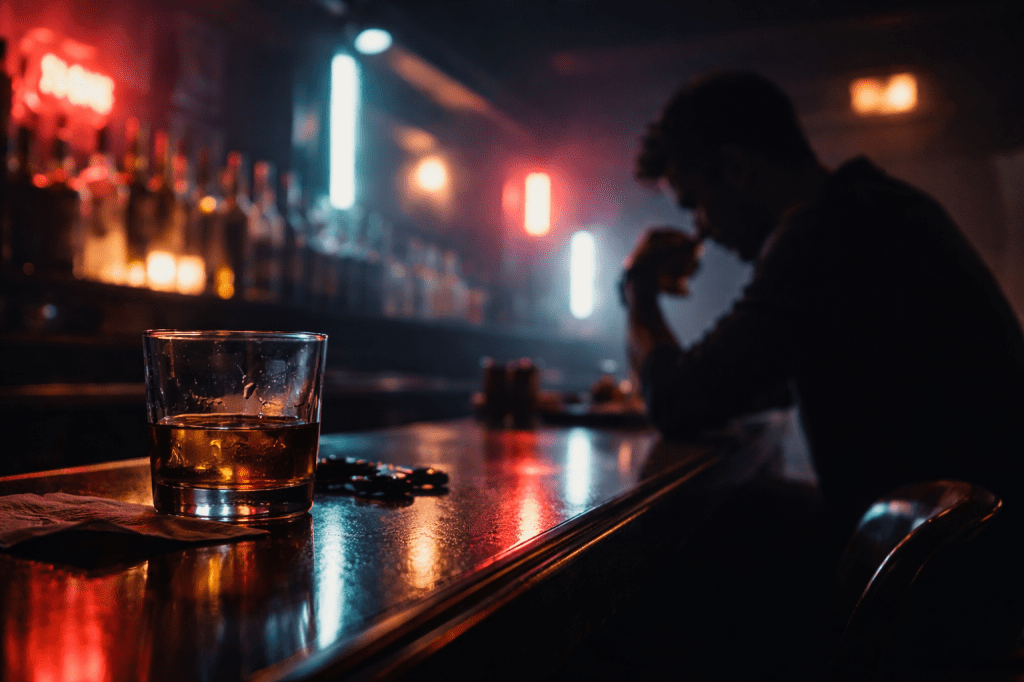
  • When the Glass is Empty

    You only smile like that

    when you’re drinkin—

    that loose, half-forgotten grin

    that shows up

    after the edges blur.

    It’s not happiness.

    It’s relief pretending to be joy.

    A borrowed light

    that flickers just long enough

    to make everyone believe you’re okay.

    Your eyes give it away.

    They don’t soften—

    they drift.

    Like you’ve stepped a few inches outside yourself

    and left the rest behind to cope.

    I’ve seen that smile disappear

    as fast as it arrives,

    leave you emptier than before,

    like laughter echoing in a room

    no one stays in.

    You wear it well, though.

    Convincing.

    Almost beautiful.

    The kind of smile that makes people think

    the problem is solved.

    But I know better.

    That smile only shows up

    when the ache is muted,

    when the truth is diluted,

    when feeling less

    feels safer

    than feeling everything.

    And when the glass is empty,

    so is the room.

  • The World Wouldn’t Stop Turning

    I didn’t move,

    but the world wouldn’t stop turning.

    Time kept its pace

    while I stood still inside myself,

    watching everything pass

    like I wasn’t part of it anymore.

    The sky seemed blue

    or maybe that was just my emotion

    projecting something softer

    onto a day that didn’t earn it.

    Funny how feelings can repaint reality

    and call it truth.

    I tried so hard to be cool about it,

    to play it off like nothing touched me,

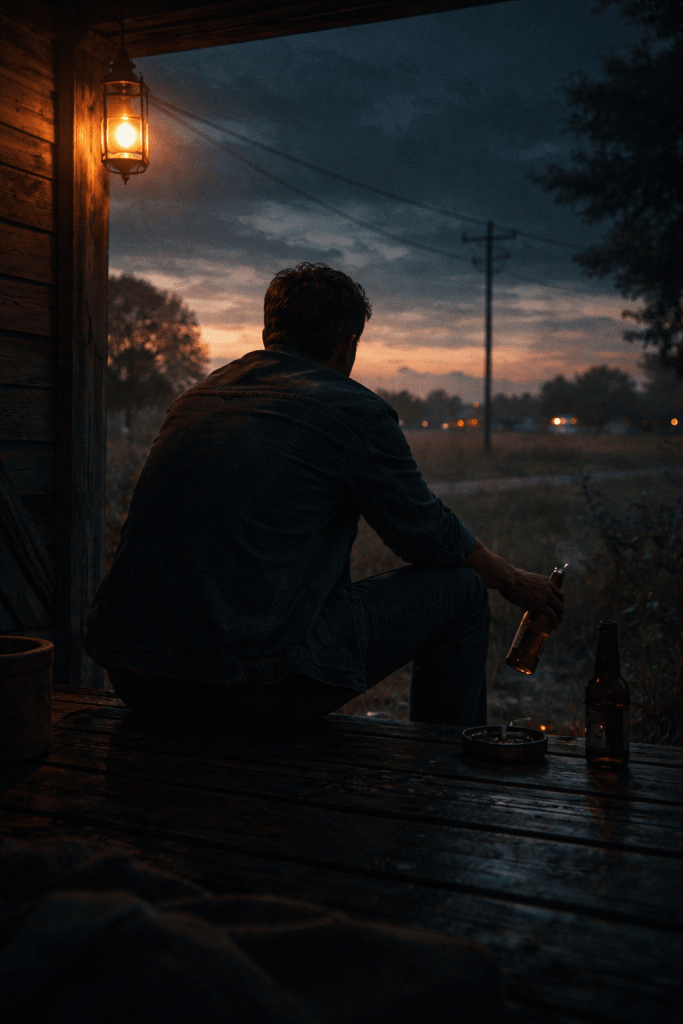
    nursing a half-empty bottle

    or is it half full?

    I could never decide

    if I was losing something

    or still clinging to it.

    I drank for the pause,

    for the quiet between thoughts,

    for the moment where I didn’t have to name

    what was breaking underneath my calm.

    The world kept spinning.

    The sky kept pretending.

    And I sat there measuring my life

    in sips and seconds,

    wondering when stillness

    started feeling heavier

    than motion ever did.

  • Left at the Door

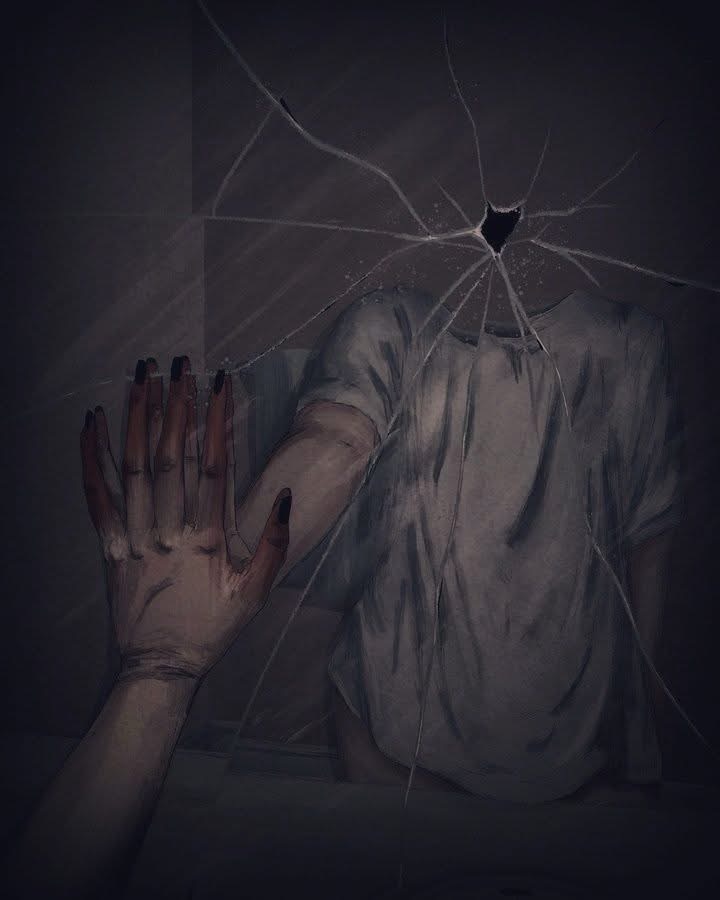
    Photo Credit: Max LaRochelle

    You should have left me at the door,

    warned me I was trouble dressed as hope.

    But you let me in—

    soft smile, open hands,

    no armor in sight.

    Now your heart is on the floor,

    shattered where my shadows fell.

    I never meant to ruin the quiet,

    I just never learned how to love

    without bleeding through everything.

    If I could gather the pieces,

    I would.

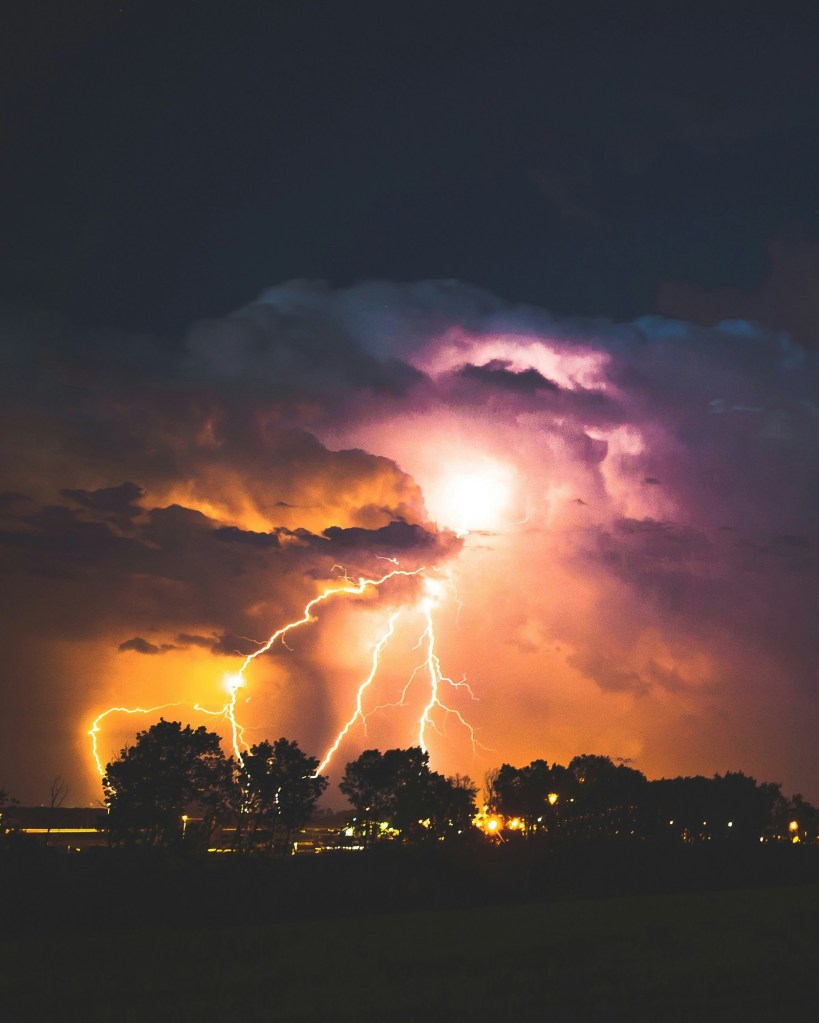
    But some of us arrive like storms—

    not to destroy,

    just never taught how to stay gentle.

  • I Was High Then

    I was high then—

    I couldn’t face things

    the way they stood in front of me,

    bare and demanding.

    I needed the blur,

    the soft edges,

    the lie that told me

    tomorrow could wait.

    Reality was too sharp,

    asking questions I didn’t have answers for,

    holding mirrors I didn’t want to look into.

    So I floated above it,

    called it coping,

    called it freedom,

    anything but fear.

    I wasn’t chasing joy—

    I was running from myself,

    from the weight of being present

    in a life that hurt to touch.

    Now I see it clearer:

    I wasn’t weak,

    just overwhelmed.

    I didn’t want to disappear—

    I just didn’t know

    how to stay.

  • What I’d Leave Behind

    I would paint the walls

    with every beautiful thing I am

    and every terrible thing I’ve ever been —

    layered thick,

    no clean lines,

    no apology for the mess.

    Joy smeared beside regret,

    love dripping into shame,

    gold pressed hard

    against the bruised colors

    no one likes to look at too long.

    I wouldn’t fix the edges.

    I wouldn’t soften the truth.

    There would be laughter

    caught mid-breath,

    and grief so old

    it’s learned how to sit quietly.

    There would be nights

    I survived out of spite,

    and mornings

    I stayed for no good reason at all.

    It wouldn’t be pretty.

    It would be mine.

    A room that says:

    this person felt deeply,

    broke often,

    kept going anyway.

    A testament to contradictions —

    light bleeding into dark,

    dark refusing to erase the light.

    If anyone stood there long enough,

    they’d see it wasn’t destruction

    I was trying to leave behind —

    it was proof.

    Proof that I was here.

    That I contained multitudes.

    That even the terrible things

    never managed

    to erase the beautiful ones.

  • No Place for the Weary

    Photo Credit-Leon-Pascal Jc

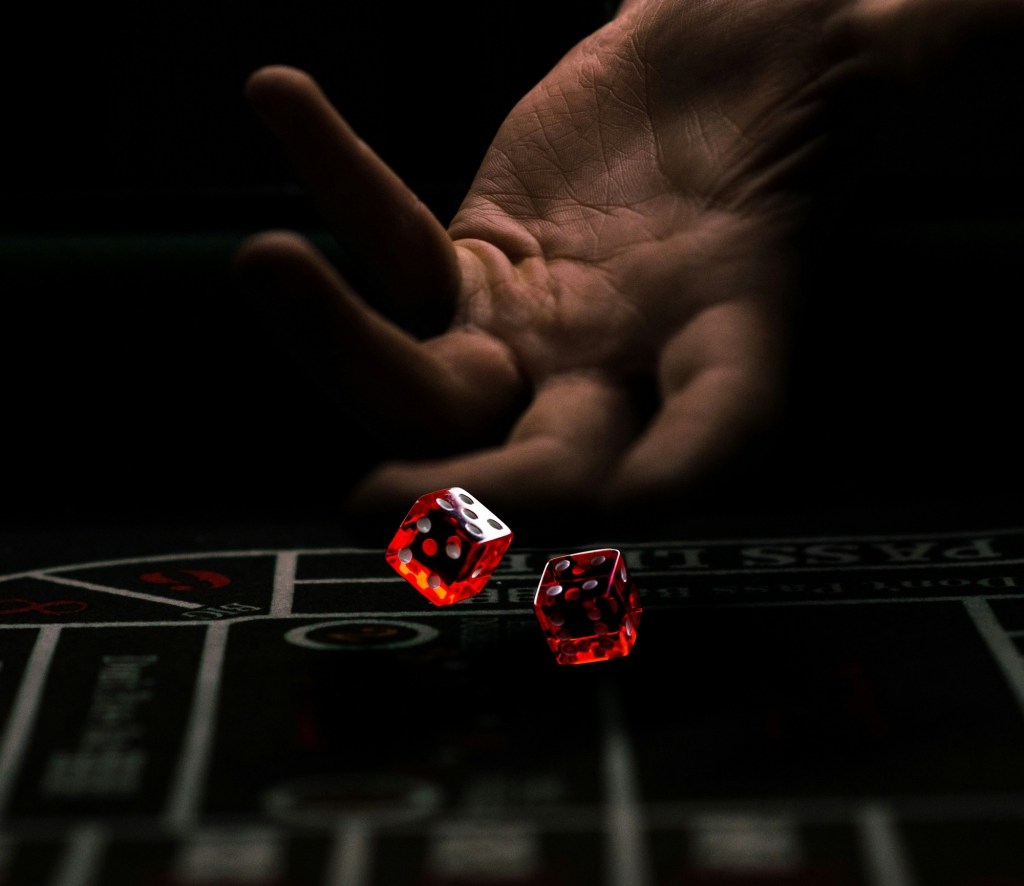
    I rolled them 7’s

    with nothing to lose,

    the table cold,

    the night mean,

    and luck looking at me sideways

    like it knew exactly who I was.

    This ain’t no place

    for the weary kind —

    not for hearts that bruise easy,

    not for hands that shake

    when the stakes get high.

    Out here, pain is currency,

    and everyone’s broke

    before the first drink hits the glass.

    I’ve gambled with ghosts,

    traded my future for a flicker,

    dared the darkness

    to take its best shot.

    And every time,

    the world leans in close

    and whispers through its teeth,

    you sure you’re built for this?

    But I keep rolling,

    keep breathing through the smoke,

    keep standing in rooms

    that were never meant to soften for me.

    Because somewhere in the rubble

    of all I’ve survived,

    there’s a fire that won’t burn out,

    a stubbornness that refuses

    to bow to the night.

    I rolled them 7’s

    with nothing to lose —

    and maybe that’s the trick of it:

    when the world wants you broken,

    staying on your feet

    is the boldest bet you’ll ever make.

  • Between What’s Said and Buried

    Photo credit-Thiébaud Faix

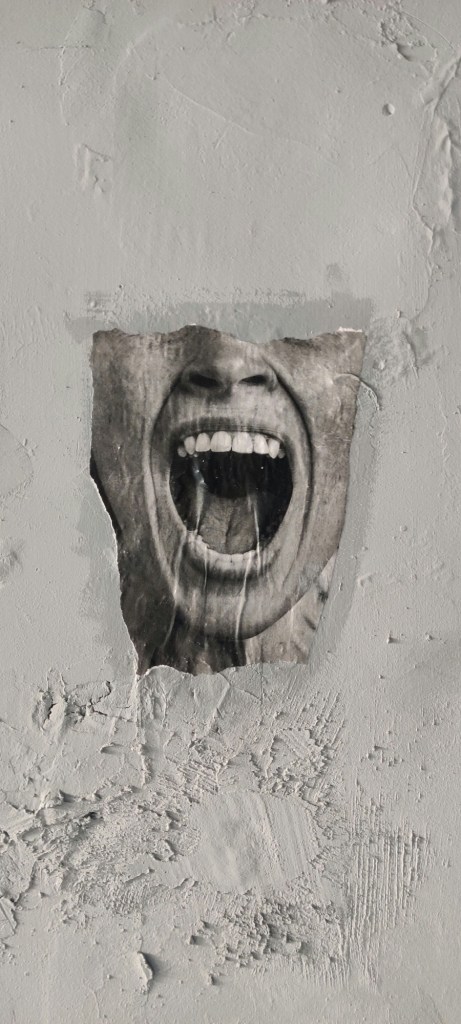
    Communication breaks me open

    in ways I don’t always survive.

    It drags the truth out of the corners

    I’ve kept in shadow,

    forces me to name the things

    I swore I’d never admit aloud.

    I’ve spent years learning

    how to make my silence look graceful—

    how to swallow storms,

    how to smile with a mouth full of grief,

    how to carry secrets

    without letting the weight show.

    But silence is a grave,

    and I’ve buried too many versions of myself

    trying to keep the peace.

    Trying to keep people.

    Trying to keep from falling apart

    in front of the wrong eyes.

    So when you ask me what’s wrong,

    I hesitate.

    Not because I don’t want to tell you,

    but because I don’t know

    how to hand you the truth

    without bleeding in the process.

    Communication isn’t easy for people like me—

    people who learned to fear their own voice,

    who were taught that honesty

    was the fastest way to lose someone.

    People who mistake vulnerability

    for danger.

    But still—

    I try.

    I open my mouth even when it trembles.

    I let the words come out

    messy, fractured, imperfect,

    hoping you’ll stay long enough

    to understand the quiet parts too.

    Because even though communication

    breaks me open,

    I’m tired of sealing myself shut.

    I’m tired of burying what I feel

    and calling it strength.

    Maybe this is what growth looks like—

    letting my truth exist

    outside of my own head,

    even if my voice cracks on the way out.

    Maybe this is how I rise

    from all the graves I dug for myself.