Tag: loneliness

  • Drain Me

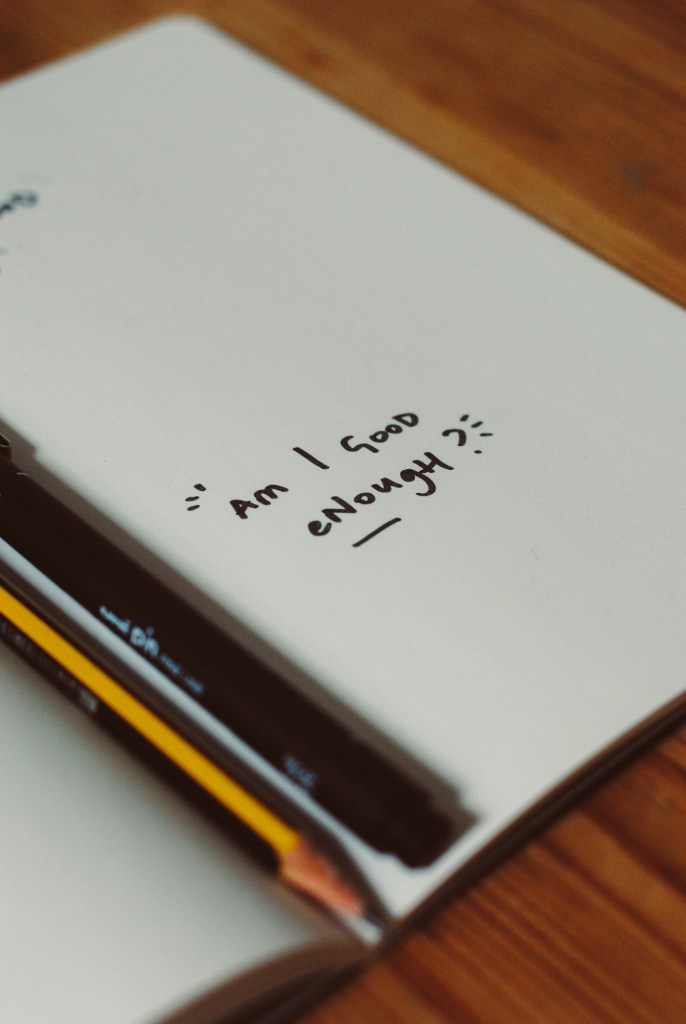
    Photo Credit: Europeana

    I thought about drinking the end,

    letting it burn its way through the ache,

    turning pain into silence.

    But somewhere between thought and act,

    a voice whispered—not yet.

    A trembling sound, small but alive,

    saying maybe there’s still a sunrise

    I haven’t seen.

    I get so tired of that voice—

    the voice of reason,

    always telling me there’s more to live for,

    a glimmer of hope I don’t want to think about.

    The world feels heavy,

    pressing against my ribs,

    reminding me I’m still here.

    And I am—

    shaking, breaking,

    breathing anyway.

    I don’t want to die.

    I just want the pain to stop

    before it swallows me whole.

  • I Made Peace With Being Forgotten

    I spent years believing I was unlovable.

    Not because anyone told me outright, but because life showed me in small, cruel ways — the way people left without warning, the way silence always followed honesty, the way I kept giving pieces of myself and watching them be forgotten.

    I thought I was somebody nobody could love.

    So I learned to disappear before anyone could confirm it.

    I became the friend who laughed too loud, the lover who didn’t ask for much, the person who said “I’m fine” even when I was anything but. I built walls and called them boundaries. I called loneliness “strength.”

    The truth is, I didn’t want to be loved — not really. I wanted to be seen and still chosen. I wanted someone to stay after finding out who I really was beneath the pretending. But when you spend enough time convincing yourself you’re unworthy, love starts to feel like a threat.

    I thought I was somebody nobody could love.

    But maybe it wasn’t love that was missing — maybe it was me.

    Maybe I left myself long before anyone else did.

    And now, slowly, painfully, I’m learning to return.

  • Once… She Wrote a Poem

    Photo Credit: Nik

    Once, she wrote a poem.

    Not for love,

    not for beauty,

    but because the ache inside her

    needed somewhere to go.

    She didn’t write to be understood—

    she wrote to stay alive.

    Each word a pulse,

    each line a breath she wasn’t sure she’d take otherwise.

    The paper never judged her.

    It didn’t tell her to move on

    or to smile more.

    It just listened

    and held her pain like it mattered.

    She wrote about the ghosts she carried,

    the nights that wouldn’t end,

    the kind of loneliness

    that made her forget her own name.

    And when she finished,

    she didn’t feel healed—

    but she felt seen.

    Even if only by the page.

    Now, when she looks back,

    she doesn’t just see ink—

    she sees survival.

    She sees a girl

    who refused to let silence

    be the last word.

    Once, she wrote a poem.

    And maybe that was the moment

    she began to come back to life.

  • Beneath the Surface

    It’s more than just the cut.

    It’s the moment before it —

    when the world feels too heavy to hold

    and your own skin feels like a cage.

    It’s the silence that builds inside your chest,

    the scream you never let out,

    the ache you can’t name

    that demands to be seen somehow.

    People see scars and think they know the story.

    But they don’t see the nights you fought it.

    The times you cried yourself to sleep and woke up still fighting.

    The way you learned to smile so no one would ask questions.

    It’s not about wanting to die —

    it’s about not knowing how to live

    with the weight you carry.

    And maybe one day,

    you’ll look at those scars and see something different.

    Not shame. Not weakness.

    But proof —

    that you survived every version of yourself

    that thought you couldn’t.

    Because it’s more than just the cut.

    It’s the healing that came after,

    the courage it took to stay,

    and the quiet strength of a heart

    that refused to stop beating

    even when it wanted to.

  • Echo of Loneliness

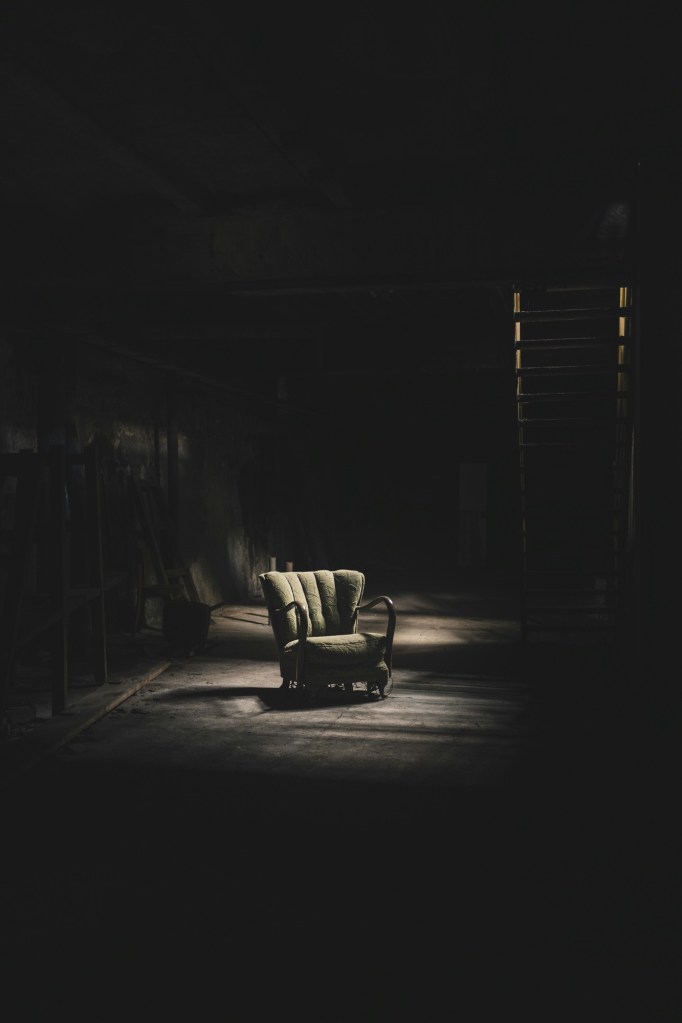
    Photo Credit: Fredrick Löwer

    It surprises me how quickly the shift happens.

    One moment I’m okay — maybe even a little happy — and the next, it’s like the air changes. The light fades. The room feels colder, emptier. The silence gets loud again.

    I can be laughing, talking, even surrounded by people, and still feel that slow pull inward — that sudden drop where everything good starts to feel like a lie. It’s not dramatic; it’s quiet. A quiet collapse inside my chest that no one else can see.

    I’ve tried to understand it. I’ve blamed hormones, exhaustion, trauma, the ghosts of everything I’ve tried to bury. Maybe it’s all of those things. Or maybe it’s just the echo of loneliness that never really leaves — it just waits for the noise to die down so it can crawl back in.

    Depression doesn’t knock. It doesn’t announce itself. It just… arrives.

    It takes your good day and turns it inside out until you’re left wondering if the good part ever happened at all.

    And I hate how convincing it is — how real the emptiness feels when it returns. It tells me that I’m too much and not enough all at once. That everyone I love is just pretending. That I’m better off staying quiet because no one really wants to hear the truth anyway.

    But I’ve lived enough days like this to know it passes. Maybe not quickly, maybe not cleanly, but it does. The good doesn’t disappear — it just gets harder to see through the fog.

    So I breathe.

    I remind myself that feeling alone isn’t the same as being alone.

    That healing doesn’t mean I’ll never fall back into the dark — it just means I know the way out now.

    How can I go from having a good day to feeling so alone?

    Because healing isn’t linear. Because memory is heavy.

    Because sometimes the heart still mourns the things the mind has moved on from.

    And that’s okay.

    The sun still rises, even when I can’t feel its warmth.