Tag: life

  • I Just Want Someone to Save Me

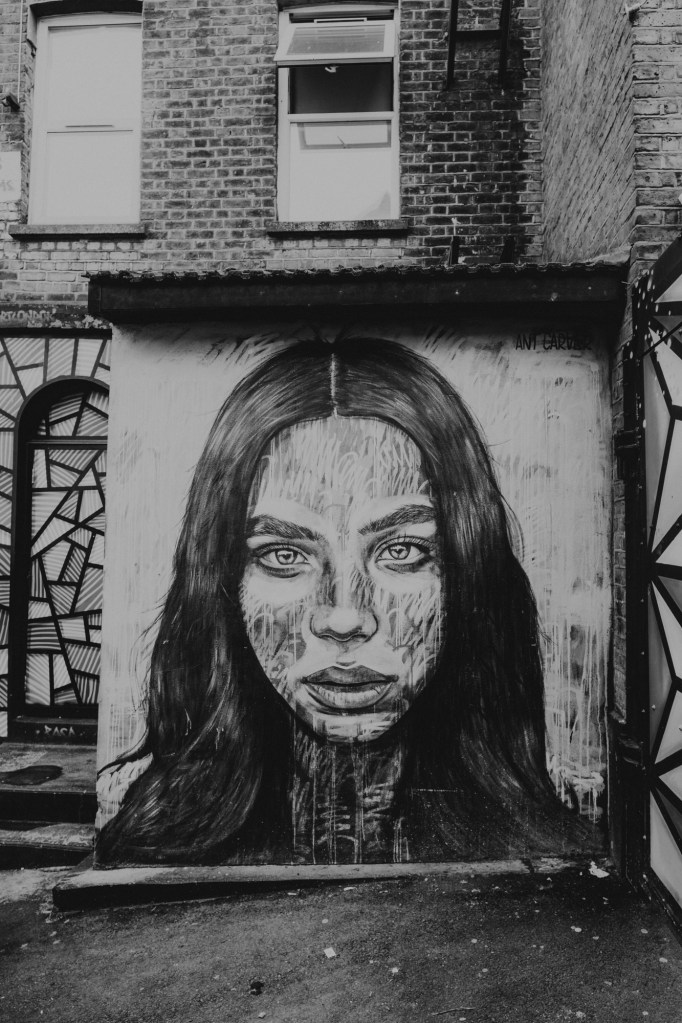
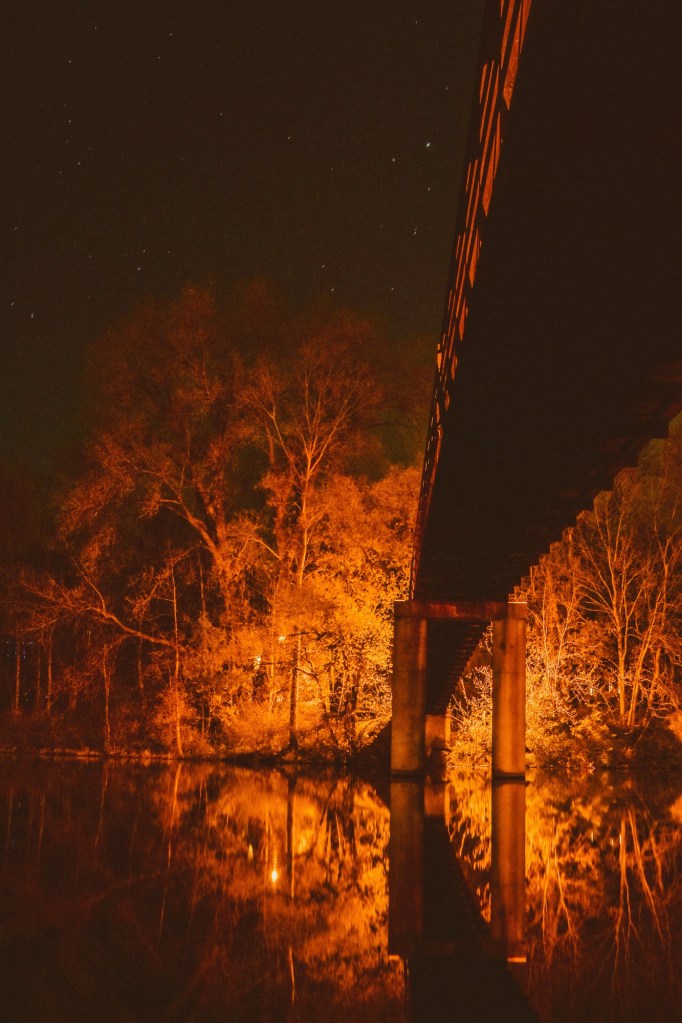
    Photo Credit: lilartsy

    I just want someone to save me. Not fix me. Not offer pep talks or promises. Just drag me out of this black water before I go under for good.

    Most days I feel like I’m already halfway gone. Everyone thinks I’m functioning, but it’s all masks. I smile, I nod, I pretend I’m okay while something inside me keeps whispering, let go. I keep waiting for somebody to see through it, to reach in before it’s too late, but no one ever does.

    I don’t want a hero. I don’t want someone to tell me I’m strong. I want somebody who won’t run when I’m ugly, when I’m drunk, when I’m shaking, when I’m no longer easy to love. Someone who doesn’t leave when I mess up. Someone who proves I’m still worth fighting for even when I’m not sure I am.

    I’ve been surviving for so long it feels like a reflex. Walls instead of warmth. Silence instead of asking. And the more I do it, the more I start to believe the lie that maybe I’m not supposed to be saved. Maybe this is it — me, drowning quietly while the world keeps moving.

    Some nights I imagine just stopping. No more fighting, no more treading, just sinking until the noise fades. It scares me how much relief that thought brings. It scares me that I don’t even fight it anymore.

    I just want someone to save me, even if only for a moment, even if only to show me I’m not completely lost yet. Because I don’t know how many more nights like this I can stand.

  • The Love of a Brother

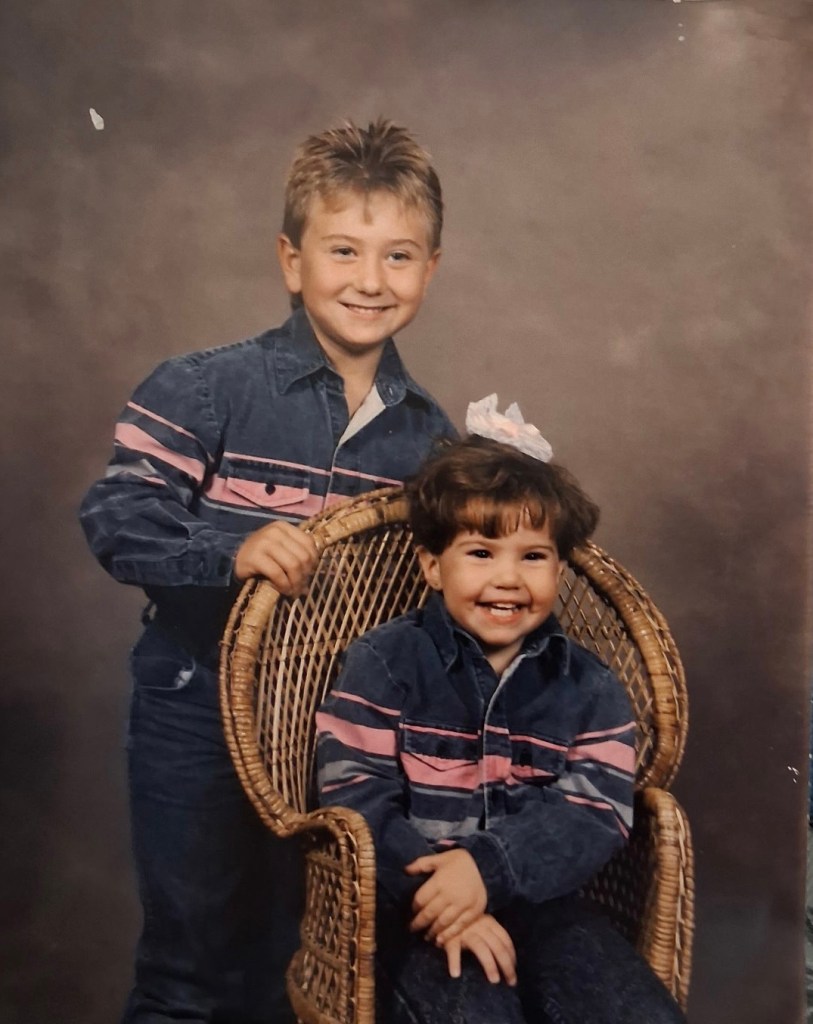
    The love of a brother is not the kind of love you see in movies. It isn’t polished, it isn’t neat. It doesn’t arrive wrapped in perfect words or grand gestures. Most of the time, it’s silent — a look, a presence, a weight beside you when you’re too tired to stand. It’s the kind of love that doesn’t ask for credit and doesn’t always get noticed until everything else falls apart.

    Growing up, I was my brother’s shadow. He was my first friend, my first rival, my first protector. We learned how to survive our childhood together — how to dodge the storms, how to laugh at the chaos, how to find scraps of joy where none should exist. There were days we fought like enemies, but there was an unspoken truth beneath every punch, every insult: no matter how bad it got, we were still on the same side.

    That’s what makes the love of a brother different. It isn’t built on words; it’s built on shared scars. He knew my secrets before I even had the language to tell them. He saw the parts of me no one else did — the soft parts, the angry parts, the broken parts. And he never turned away.

    As we got older, life pulled us in different directions. Distance grew, mistakes piled up, and the versions of ourselves we became didn’t always fit back into the memories we had. But even then, he didn’t let go. He’s been there through my darkest hours — not with speeches or solutions, but with a kind of silent, steady loyalty that makes me ache.

    There were times when I wanted to disappear completely, when I felt like everything I touched was ruined. But my brother’s love didn’t vanish. It waited. It endured the silence. It endured my anger. It endured the nights I didn’t answer his calls. And when I finally looked up, he was still there.

    The love of a brother isn’t perfect. It can be clumsy. It can be rough. It can even be painful at times — because he remembers who I used to be, and sometimes I can’t stand the reflection of that in his eyes. But it’s also the most honest love I’ve known. It survives absence. It survives mistakes. It survives the version of me that even I don’t want to keep.

    And in a life where so much has slipped through my hands, that love is proof that not everything has to be lost. That even in the fog, even in the wreckage, there are bonds strong enough to hold me together when I can’t hold myself.

  • Learning to Breathe in the Storm

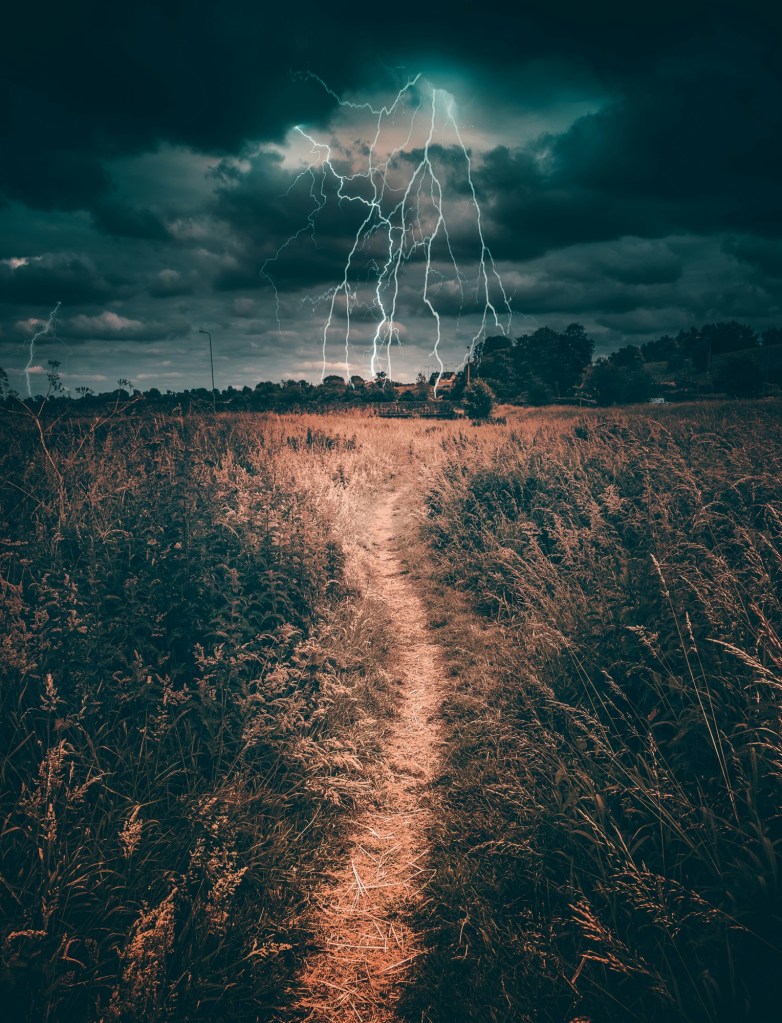
    I thought the storm had already swallowed me whole. I thought I’d become its wind, its rain, its noise. But somewhere inside the noise there’s still a heartbeat, faint but there. It’s mine.

    The rain hasn’t stopped, but I’m still breathing. My hands are still here. My body is still here. For all the weight pressing down on me, some part of me keeps moving. It isn’t brave. It isn’t heroic. It’s just human — a quiet, stubborn instinct to stay alive even when everything feels pointless.

    People tell me storms pass. I don’t know if that’s true. Maybe some storms never leave; maybe they become part of you. But even inside them, there are moments — a break in the clouds, a single breath that doesn’t hurt, a voice on the other end of the phone. Tiny things, but enough to prove that the storm isn’t the only thing that exists.

    I don’t have a map. I don’t have a plan. But right now, in this moment, I’m still here. And that has to mean something. If the storm is part of me, then so is the heartbeat, so is the small voice saying not yet.

    I’m not out of the storm. I don’t know if I ever will be. But for now I’m learning how to breathe inside it. And maybe that’s the first step toward finding a way through.

  • If You Loved Me, Why’d You Leave Me

    Dear you,

    If you loved me, why’d you leave me?

    I know it isn’t fair to ask that of someone who’s gone, but the question sits in my chest like a stone. You didn’t walk out, you didn’t turn your back, you died — but all my heart can feel is that you left. And I’m still here, reaching into empty air.

    I keep replaying our last moments, the sound of your voice, the way you looked at me. I tell myself you didn’t choose this, that death came like a thief and took you without asking. But some nights, in the dark, the anger rises anyway. You loved me. You knew I still needed you. So why am I here alone?

    Everything you touched still hums with your absence. The places we went feel hollow. The air feels heavier. People tell me time will soften it, that grief fades, that love doesn’t end just because someone dies. But they don’t see me lying awake at night, whispering your name into the dark, asking the same question over and over: if you loved me, why’d you leave me?

    Maybe you didn’t have a choice. Maybe your leaving wasn’t a decision but a final surrender your body made without your permission. Maybe love can’t hold someone here when the weight gets too heavy. I tell myself that, and some days it helps. Other days it doesn’t.

    I wish you could see me now. I wish you could tell me what to do with all the pieces you left behind. I wish you could tell me how to live without you. But you can’t. So I’m left with this letter, and the silence after it.

    I still love you. I still feel you. And even though you left, I’m still here.

    Always,

    Me

  • Burning Bridges

    I’ve burned so many bridges in my life that sometimes I can still smell the smoke. Some were set on fire in anger, some in fear, some in the quiet resignation of knowing I couldn’t stay. I told myself it was survival. I told myself it was the only way forward. But the truth is, even survival leaves scars, and sometimes the flames don’t just destroy the bridge — they leave you stranded on an island of your own making.

    When you burn a bridge, people think it’s clean. Dramatic. Final. But it’s never that neat. It’s ashes in your throat. It’s watching the glow fade and realizing you’ve cut yourself off from something you loved. It’s feeling the heat on your back long after you’ve walked away.

    I burned bridges with people who tried to save me, with people who loved me, with people who simply saw me too clearly. I burned them because staying meant being seen, and being seen meant being vulnerable, and I wasn’t ready for that. Sometimes I tell myself I had no choice. Sometimes I know that’s a lie.

    The problem with burning bridges is that you start to believe you’re safer alone. You convince yourself you don’t need a way back. But there are nights when the silence is loud and the smoke settles and you realize you’ve built a prison out of your own escape routes.

    I keep saying I want to change. I keep saying I want connection, healing, love. But the truth is, every time someone reaches out, my first instinct is still to reach for the match.

    Burning bridges isn’t freedom. It’s a habit. It’s a sickness. It’s a slow kind of self-destruction dressed up as self-preservation. And one day, if I don’t stop, there won’t be any bridges left to cross.

  • Depression Is Like Drowning

    Depression is like drowning, except you can still breathe. My chest rises and falls, my lungs fill with air, but inside everything feels heavy, waterlogged, sinking. People see me standing, walking, talking. They see me smile. They think I’m fine because I’m not flailing, not gasping for air. They don’t realize drowning doesn’t always look like chaos—it can be quiet. It can be invisible.

    It’s not the violent splashing kind, the kind that makes people rush to the rescue. It’s the silent slipping under, inch by inch. Every day, my head sinks a little lower beneath the surface, and the world grows muffled. Sounds dull. Colors fade. Even my own thoughts feel blurred, like they’re trapped underwater with me.

    I want to scream, but the sound dies before it leaves my throat. I want to reach out, but my arms are too heavy. And so I smile, nod, laugh when I’m supposed to. I carry on. Because if I let the mask slip, if I let people see the water rising around me, I’m not sure they’d understand. I’m not sure they’d believe me.

    What no one tells you about drowning is how exhausting it is. Every second is survival—treading water, pretending it’s effortless, hiding the fatigue. My arms ache. My chest burns. My mind whispers that it would be easier to stop fighting, to just let myself sink. And the truth is, sometimes that thought feels like relief.

    That’s the cruelty of it. Depression doesn’t take away my breath—it lets me breathe, but makes the air feel useless. It doesn’t stop my heart—it just strips the meaning out of every beat. I’m alive, but it doesn’t feel like living. It feels like waiting. Waiting for someone to notice. Waiting for the current to change. Waiting for the day when I either finally reach the shore or stop fighting altogether.

    And some nights, I can feel it—my body getting heavier, the pull of the water stronger, my will to fight fading. I don’t just think about sinking anymore. I start to wonder what it would feel like to stop treading, to let the silence take me under completely.

    That’s the darkest truth of drowning in depression: you don’t always go under screaming. Sometimes you just… go under.

  • Just Give Me Peace

    I don’t ask for happiness anymore. Happiness feels like a myth, a story people tell themselves so they can keep moving. I don’t ask for love, either — love is fragile, it breaks too easily, and I am too sharp, too heavy, too much for it to survive in my hands.

    All I want is peace.

    Not the kind people romanticize, with sunsets and calm oceans. I mean silence. Stillness. An end to the noise inside my head that never shuts off. The relentless thoughts that claw and whisper, the memories that bleed through the cracks, the storms that rise without warning and tear me apart from the inside out.

    I don’t need light. I don’t need joy. I don’t even need tomorrow.

    Just give me peace.

    Because I am tired. Tired of carrying the weight of a body that refuses to rest. Tired of dragging myself through days that feel more like punishment than life. Tired of holding on when I don’t even know what I’m holding on for.

    I imagine peace as a release. A surrender. Not victory, not defeat — just quiet. No more questions. No more wounds reopening. No more storms.

    And maybe that’s the cruelest part: the world tells me peace is found by fighting harder, healing more, pushing through. But what if peace doesn’t come from effort at all? What if peace is only possible when there is nothing left to fight?

    All I know is this: I don’t crave anything except the absence of this endless war inside me.

    Just give me peace.

  • What is Wrong With Me?

    What is wrong with me? Why am I addicted to this miserable feeling?

    I don’t even know when the line blurred, when pain stopped being something to run from and started becoming something I crave. It’s like I’ve carved out a home inside of misery, built walls around it, and now I don’t know how to live without it. And in the back of my mind, the question gnaws at me: is it just the mental illness?

    People think addiction is about chasing pleasure, chasing a high, chasing escape. But for me, it’s about clinging to what’s familiar. Misery is predictable. Pain is reliable. Happiness feels like a stranger I can’t trust—it slips away as quickly as it comes. Misery stays. And maybe that’s the illness too—this twisted need to settle for what hurts, to feel safest inside the suffering.

    Sometimes I wonder if my brain was wired wrong from the start. If the illness isn’t just something I have, but something I am. Is that why I drink? Is that why I hold tight to the wreckage instead of crawling out? Maybe it isn’t weakness. Maybe it’s just the illness feeding itself, keeping me trapped.

    Because the truth is, it’s not just the bottle I’m addicted to—it’s the aftermath. The heaviness, the regret, the cycle of self-destruction. I hate it, yet I chase it. Again and again, like it’s the only thing that belongs to me. And every time, I hear the echo: this is the illness, this is the illness.

    So what is wrong with me? Maybe nothing. Maybe it’s all just the way the illness wraps itself around my soul, convincing me that misery is home. Or maybe everything. Maybe I’ve become so tangled in the darkness that even when the door is open, I can’t step out.

    And the cruelest truth? A part of me doesn’t even want to.

  • Dear Mom

    Dear Mom,

    It was never your fault.

    Not the silence.

    Not the weight I carried alone.

    Not the way I learned to disappear inside myself.

    You did what you could with the tools you had.

    You held storms in your chest

    so they would not spill onto me.

    You taught me strength,

    even if it came wrapped in quiet.

    I used to wonder why you couldn’t save me

    from every shadow.

    Now I see you were fighting your own,

    and still, somehow,

    you gave me light where you could.

    Dear Mom,

    I don’t blame you.

    I don’t carry anger anymore.

    I carry understanding.

    I carry forgiveness.

    I carry you.

    It was never your fault.

    It never will be.

    Love,

    The child who finally knows

    you did the best you could.

  • What Does It All Mean?

    I ask it in the silence,

    in the dark hours when the world feels too heavy,

    too sharp,

    too empty.

    What does it all mean?

    The tears, the laughter,

    the fleeting joys,

    the losses that carve holes so deep

    you wonder if you’ll ever fill them again.

    Is there a reason for the war inside me?

    For the nights I drowned my own voice?

    For the moments I almost gave up,

    but didn’t?

    Maybe meaning isn’t a grand design

    etched in stone above us.

    Maybe it’s found in smaller things —

    the hand that steadies you,

    the breath you didn’t think you’d take,

    the sunrise that still arrives

    even when you don’t feel ready for it.

    What does it all mean?

    I don’t know.

    But maybe it means this:

    that even in the fog,

    we keep moving,

    we keep searching,

    we keep choosing to stay.

    And maybe the meaning is not something we find,

    but something we become.