Tag: forgiveness

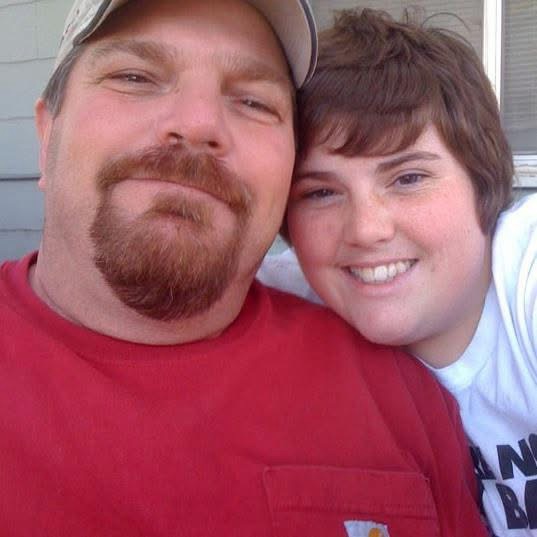
  • For My Dad

    When I was little,

    I watched you like a storm I couldn’t predict.

    I loved you,

    but I was scared of you too—

    the tone in your voice,

    the weight of your silence,

    the way the room changed when you walked in.

    I thought love meant waiting to be noticed,

    trying to be small,

    trying to be good enough

    for the version of you

    that didn’t always show up.

    As I got older,

    the fear turned into anger

    because being scared of you hurt less

    than still wanting you to see me.

    I said I hated you,

    but I didn’t—

    I just didn’t know how to love someone

    who felt a million miles away

    even when you were right in front of me.

    And Mom always said

    we fought so much

    because we’re just alike—

    same fire, same walls,

    same stubborn need to win the argument

    instead of admit we were hurt.

    We lost years to misunderstanding.

    To pride.

    To wounds neither of us had the words to name.

    But time has a strange way

    of softening the edges we once bled on.

    Somewhere between growing up

    and growing tired of carrying old ghosts,

    I learned the truth:

    you weren’t the villain,

    you were a broken man trying to love

    in a world that never taught you how.

    And now—

    now we talk.

    Now we laugh.

    Now I can sit beside you

    without bracing for impact.

    And I’m grateful—

    not because the past didn’t hurt,

    but because we didn’t let it win.

    I don’t love you because you were perfect.

    I love you because we both changed.

    Because we both stayed long enough

    to learn each other again.

    Because I finally get to say this

    without fear, without anger, without a knot in my chest:

    I’m glad you’re still here.

    And I’m glad I am too.
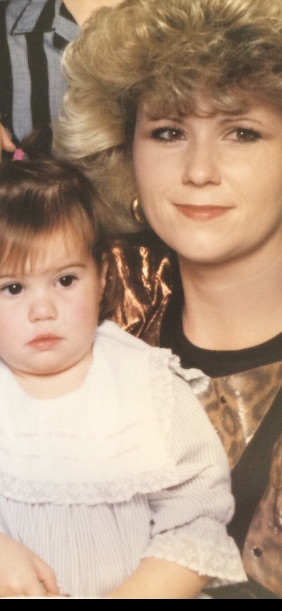
  • Dear Mom

    Dear Mom,

    It was never your fault.

    Not the silence.

    Not the weight I carried alone.

    Not the way I learned to disappear inside myself.

    You did what you could with the tools you had.

    You held storms in your chest

    so they would not spill onto me.

    You taught me strength,

    even if it came wrapped in quiet.

    I used to wonder why you couldn’t save me

    from every shadow.

    Now I see you were fighting your own,

    and still, somehow,

    you gave me light where you could.

    Dear Mom,

    I don’t blame you.

    I don’t carry anger anymore.

    I carry understanding.

    I carry forgiveness.

    I carry you.

    It was never your fault.

    It never will be.

    Love,

    The child who finally knows

    you did the best you could.

  • A Thousand Quiet Fractures

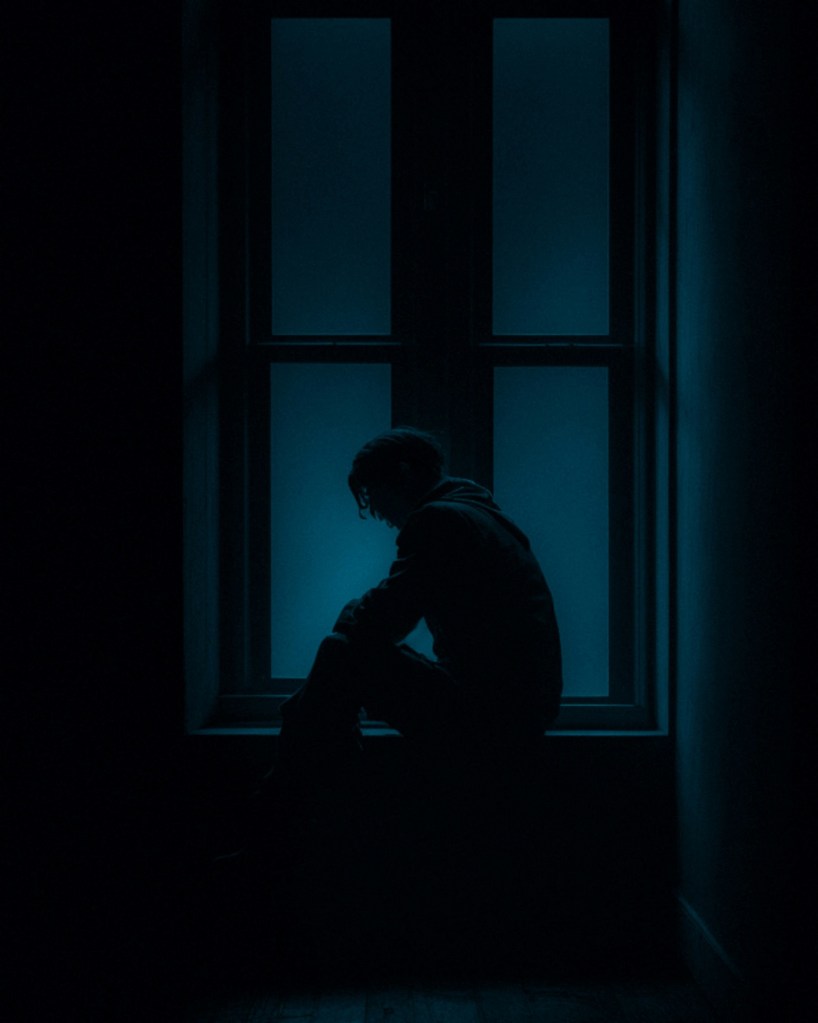
    No one tells you that you could break your own heart.

    I always thought heartbreak would come from someone else—

    a lover walking away, a betrayal, a silence too loud to bear.

    But I learned it was me.

    It was the choices I didn’t make,

    the dreams I abandoned out of fear,

    the way I turned my back on the parts of myself

    that needed care the most.

    I broke my heart every time I settled,

    every time I swallowed my truth

    because I thought it was too heavy for others to carry.

    I broke it when I believed the voices

    that said I wasn’t enough,

    when I convinced myself

    that survival was the same thing as living.

    There was no great explosion, no dramatic ending—

    just small fractures,

    a thousand tiny betrayals of my own making.

    And by the time I looked down,

    I was standing in the wreckage,

    cut on the glass I’d been dropping for years.

    But here’s the part no one tells you either:

    the same hands that break it

    can learn how to hold it,

    to piece it back together,

    to love what’s left.

    And maybe that’s the hardest lesson of all—

    that healing doesn’t come from someone else,

    it begins the moment you stop breaking

    your own heart.

  • Gravity Between Hearts

    It is hard to write about the thing that binds us most without naming it.

    But sometimes the word itself feels too small, too worn, too fragile for the weight it carries.

    So instead, I’ll describe it.

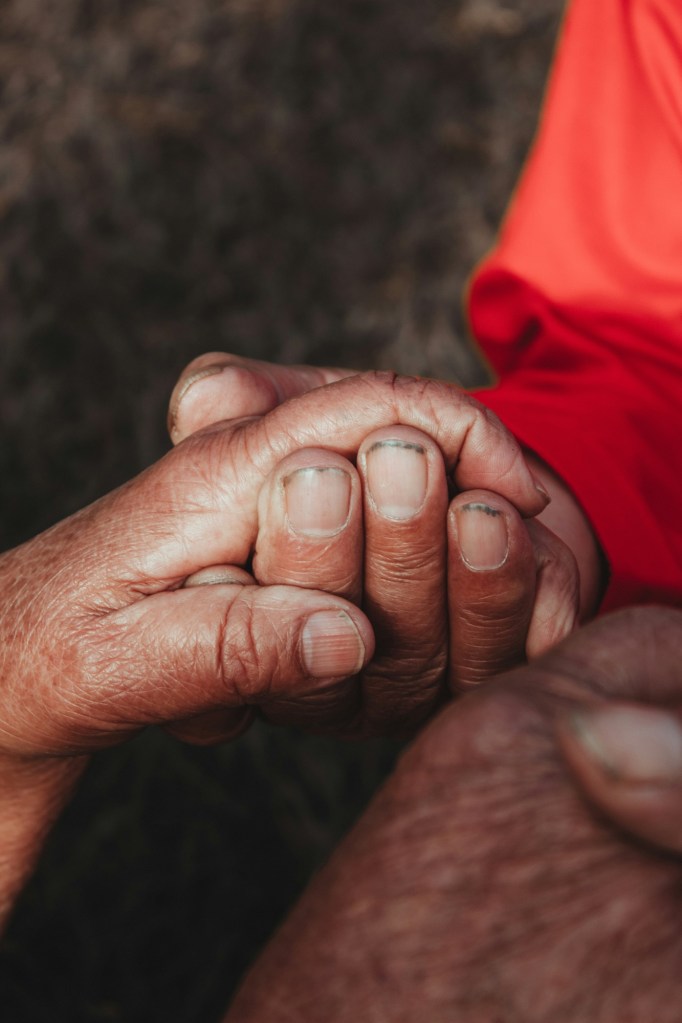
    It is the quiet pull between two hearts —

    a gravity no distance can undo. You can try to resist it, build walls, bury yourself in noise, but it lingers like an invisible thread, tugging gently, reminding you that closeness exists.

    It is the warmth in silence.

    When the conversation fades, and there is no pressure to perform or entertain, the air itself feels softer. Presence becomes enough. The world outside may roar, but here, stillness is its own language.

    It is the courage to be fragile.

    To hand someone the sharp, unpolished pieces of yourself — the fears, the mistakes, the shadows — and trust they will not drop them. Trust they will not run. That is where the miracle lies, in being held not because you are flawless, but because you are whole.

    It is both fire and shelter.

    A flame that burns without consuming, giving light to the darkest corners of your being. A roof that holds steady in the storm, reminding you that even when everything shakes, there can still be safety.

    It is being seen in your entirety.

    Not just the curated version you offer the world, but the raw and unguarded self — the mess, the laughter, the tenderness, the grief. To be seen fully and not turned away is to finally believe you are enough as you are.

    It does not rescue.

    It does not erase pain, or fix the wounds you’ve carried. It will not solve the war inside you. But it sits with you in the fire. It listens when words falter. It steadies you when you forget your own strength.

    It stays.

    And in its staying, it teaches you something you cannot learn alone: that sometimes the most powerful thing in the world is not escape, not defense, not pretending to be unbreakable — but the quiet, stubborn presence of someone who chooses you, again and again, without needing to say the word.

  • Forgiveness

    I can forgive other people easier than I can forgive myself.

    When someone hurts me, I can usually find a way to understand it — to see their side, to let it go, to believe they didn’t mean the damage they caused. But when it comes to my own mistakes, my own choices, the weight is heavier.

    I replay the things I did when I was lost, when I was drowning, when I was trying to numb pain I didn’t know how to carry. The words I said. The people I pushed away. The promises I broke. And even though I know I can’t go back, part of me still tries — as if punishing myself now could undo what’s already done.

    The truth is, forgiveness for myself feels harder than healing. Harder than sobriety. Harder than change. Because it means accepting that I am human — that I was human even at my worst.

    It means looking at the version of me I don’t want to remember and saying, you still deserve to come home.

    I’m not there yet. Some days I’m closer. Some days I fall back into shame, into silence. But I’m trying. Because I know forgiveness isn’t about erasing the past. It’s about loosening its grip.

    Forgiveness for myself is hard. But living without it is harder.