Tag: emotional responsibility

  • Powerful Words

    Powerful words

    aren’t always loud.

    They don’t always arrive

    with thunder

    or fists on tables.

    Sometimes

    they slip out softly—

    barely above a whisper—

    and still manage

    to split a life in two.

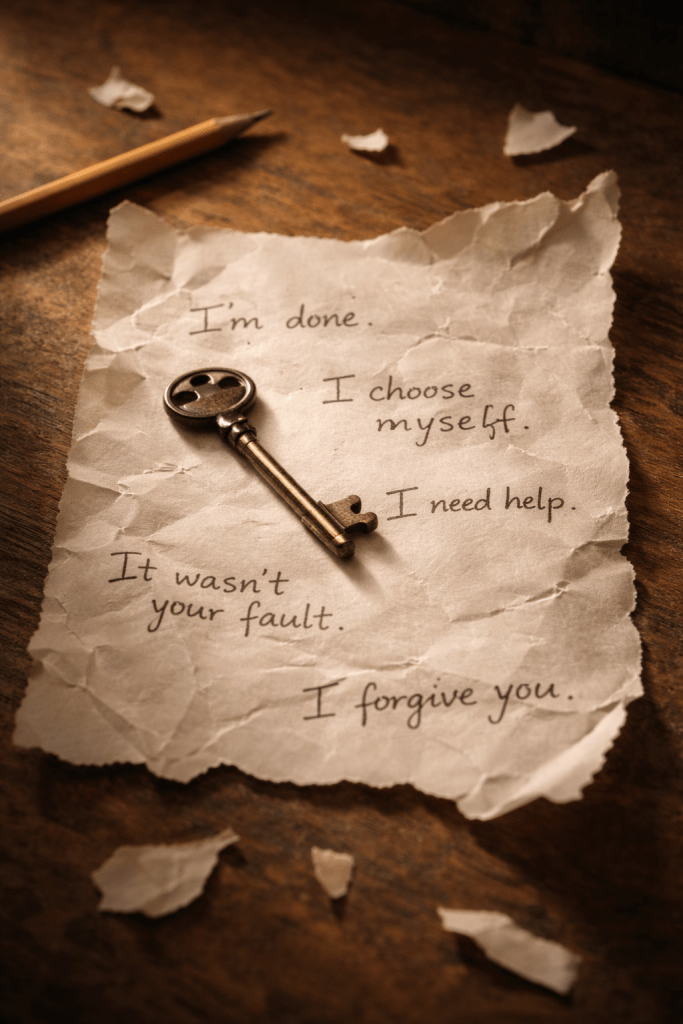
    “I’m done.”

    “I forgive you.”

    “It wasn’t your fault.”

    “I need help.”

    “I choose myself.”

    Five syllables

    can reroute a future.

    Three words

    can untangle years

    of silence.

    There are sentences

    that bruise.

    Sentences

    that resurrect.

    Sentences

    that sit in your chest

    for decades

    like a nail you never removed.

    I have said words

    I wish I could swallow.

    I have swallowed words

    that should have been set free.

    That’s the danger of language—

    it carries weight

    whether we mean it to or not.

    But there is power, too,

    in choosing carefully.

    In speaking truth

    without cruelty.

    In drawing boundaries

    without apology.

    In naming pain

    without weaponizing it.

    Words built the cages

    I once lived in.

    Words also

    handed me the key.

    Sometimes power

    isn’t in shouting.

    It’s in saying the right thing

    at the right moment—

    and meaning it.

    It’s in knowing

    that what leaves your mouth

    doesn’t disappear.

    It lands.

    And once it lands,

    it grows.
  • Hurt People Hurt People

    They say

    hurt people hurt people

    like it’s a proverb

    you’re supposed to swallow whole—

    like pain is a permission slip

    passed quietly

    from one trembling hand to another.

    As if wounds

    are instructions.

    As if bleeding

    is a language

    that only knows

    how to say

    come closer

    so I can show you

    what it did to me.

    I have been hurt.

    Deeply.

    In places that still echo

    when someone shuts a door too hard.

    But I learned something

    in the dark:

    Pain explains behavior.

    It does not excuse it.

    There is a difference

    between understanding

    and allowing.

    Between empathy

    and self-abandonment.

    Yes—

    hurt people hurt people.

    But healed people

    break the pattern.

    Healed people

    feel the fire rise

    and choose

    not to hand it forward.

    Healed people

    sit with the ache

    instead of building

    a throne out of it.

    I am learning

    that my scars

    are not weapons.

    They are reminders

    of what I survived—

    not what I’m entitled

    to inflict.

    If I bruise you

    because I was bruised,

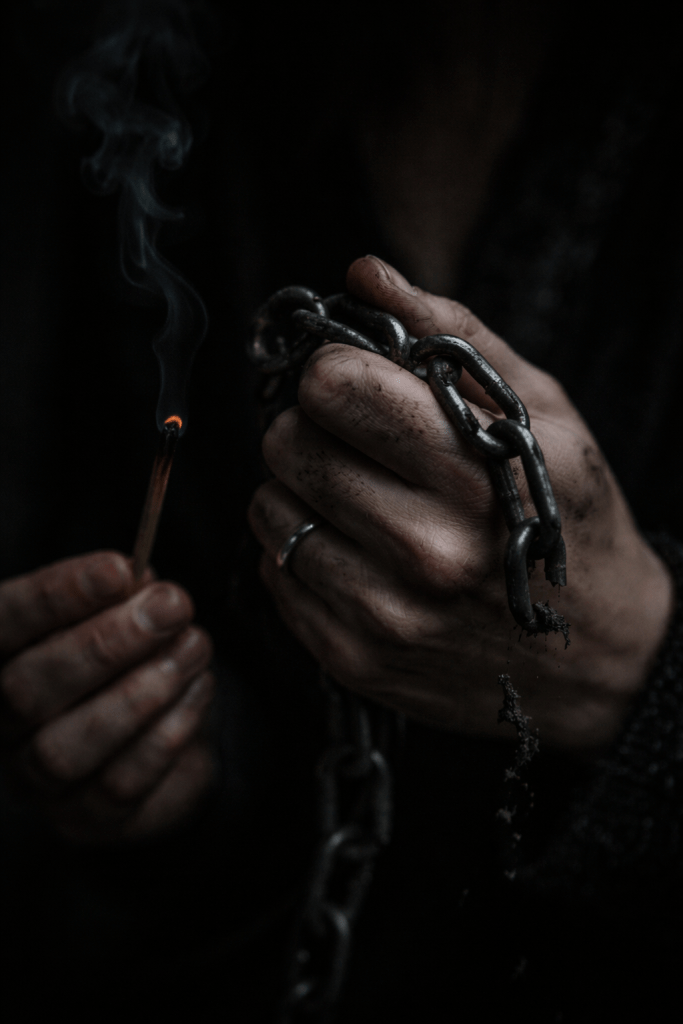
    then the chain continues.

    If I pause—

    if I breathe—

    if I choose differently—

    then something ancient

    ends with me.

    Maybe that’s the real inheritance:

    not pain,

    but the moment

    someone finally decides

    it stops here.