Tag: Depression

  • Unfamiliar Face

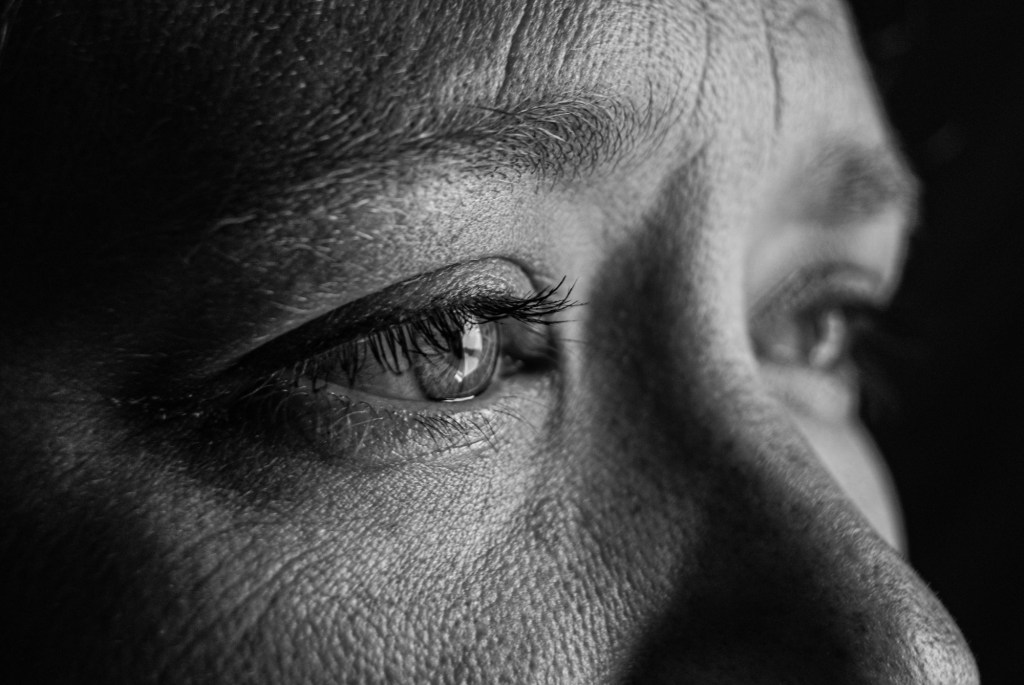
    I wake up in the morning and I look in the mirror to try and find out where I belong.

    Some days I recognize the face staring back; other days it feels like a stranger is living in my skin.

    I trace the lines under my eyes, the curve of my mouth,

    as if the map of my belonging might be written somewhere there.

    But mirrors don’t answer questions.

    They only echo them.

    And the longer I stare, the louder the silence becomes.

    Where do I belong?

    In the history I can’t rewrite?

    In the dreams I’m still too afraid to chase?

    In the body I’m learning to forgive?

    Some mornings I leave the mirror without an answer.

    Other mornings, I carry the question like a stone in my pocket—

    not an answer, but a reminder

    that belonging is less about where you are,

    and more about learning how to stand in your own reflection

    without turning away.

  • Forgiveness

    I can forgive other people easier than I can forgive myself.

    When someone hurts me, I can usually find a way to understand it — to see their side, to let it go, to believe they didn’t mean the damage they caused. But when it comes to my own mistakes, my own choices, the weight is heavier.

    I replay the things I did when I was lost, when I was drowning, when I was trying to numb pain I didn’t know how to carry. The words I said. The people I pushed away. The promises I broke. And even though I know I can’t go back, part of me still tries — as if punishing myself now could undo what’s already done.

    The truth is, forgiveness for myself feels harder than healing. Harder than sobriety. Harder than change. Because it means accepting that I am human — that I was human even at my worst.

    It means looking at the version of me I don’t want to remember and saying, you still deserve to come home.

    I’m not there yet. Some days I’m closer. Some days I fall back into shame, into silence. But I’m trying. Because I know forgiveness isn’t about erasing the past. It’s about loosening its grip.

    Forgiveness for myself is hard. But living without it is harder.

  • Living with Depression: What It Really Feels Like

    Living with Depression: What It Really Feels Like

    Depression is often misunderstood. People hear the word and imagine sadness, but it is so much more than that. It isn’t just a bad day or a passing cloud—it’s a weight that settles into your bones, a fog that lingers long after the sun comes up.

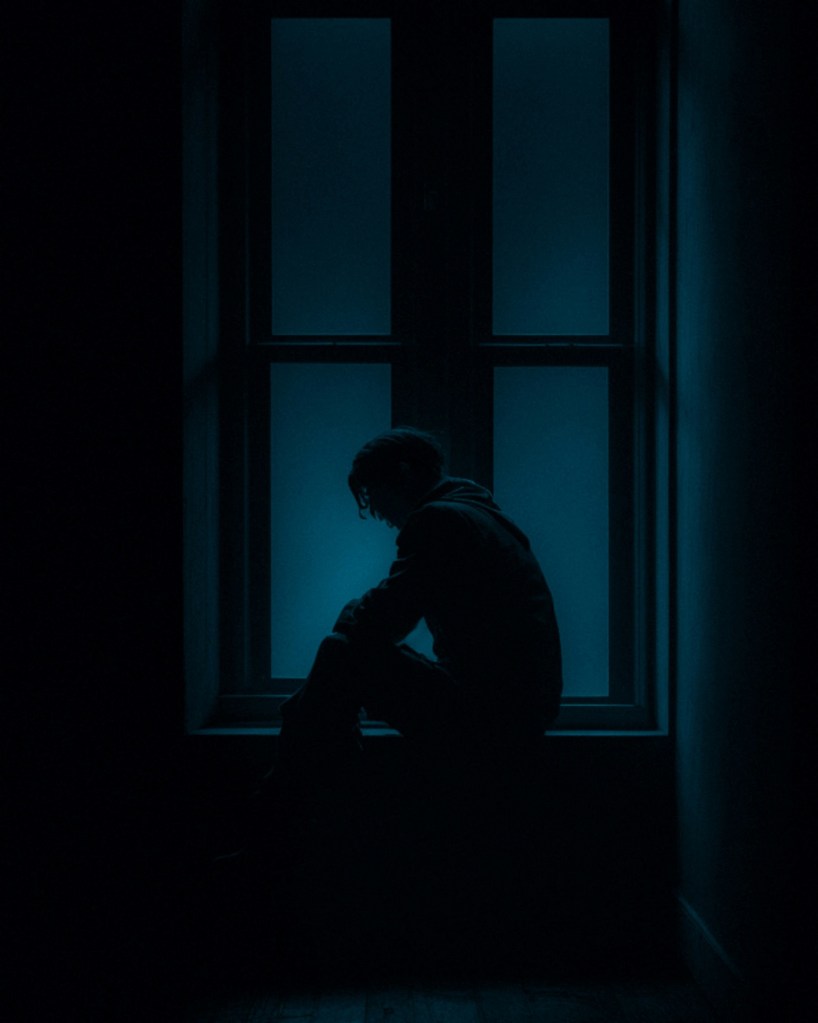
    For me, depression has never been loud. It doesn’t always look like tears or breakdowns. Sometimes it’s just silence—sitting in a room surrounded by life and feeling completely disconnected from it. It’s forgetting the sound of your own laughter, or forcing a smile so no one asks questions you don’t have the strength to answer.

    One of the hardest parts of depression is the invisibility of it. You can be dressed, smiling, and even functioning, while inside you’re barely holding on. People might tell you to “think positive” or “get over it,” not realizing that if it were that simple, none of us would be suffering. Depression is not weakness, and it’s not a choice—it’s an illness, a shadow that rewires how you see the world and yourself.

    And yet, in the midst of it, there are moments of light. I’ve learned that healing doesn’t come all at once. It comes slowly—in the small decision to get out of bed, in the courage to reach out to someone you trust, in the act of writing down feelings instead of letting them consume you. Sometimes healing looks like survival, and that in itself is a victory.

    If you are living with depression, please know this: you are not broken beyond repair. Your story matters, even on the days you feel invisible. You are allowed to take up space, to rest, to fight for yourself even when the fight feels impossible.

    And if you love someone who struggles with depression, remember that your presence matters more than your advice. Sometimes just sitting with someone in their darkness is the most powerful form of love.

    Depression may be a part of my story, but it does not get to define the ending. Writing has become my way of reclaiming my voice, of shining a light into places I once thought would always stay dark. My hope is that by sharing my words, someone else will see a reflection of their own struggle and know they are not alone.

    You are not alone.

    — Emery Lane Grey

    Let’s Talk

    Have you or someone you love faced depression? If you feel comfortable, share your story in the comments below. You never know who might need to read your words.

    If this post resonated with you, I invite you to subscribe for future reflections, poetry, and writings on healing and resilience. Together, we can build a space where honesty and hope coexist.