One moment I’m okay — maybe even a little happy — and the next, it’s like the air changes. The light fades. The room feels colder, emptier. The silence gets loud again.
I can be laughing, talking, even surrounded by people, and still feel that slow pull inward — that sudden drop where everything good starts to feel like a lie. It’s not dramatic; it’s quiet. A quiet collapse inside my chest that no one else can see.
I’ve tried to understand it. I’ve blamed hormones, exhaustion, trauma, the ghosts of everything I’ve tried to bury. Maybe it’s all of those things. Or maybe it’s just the echo of loneliness that never really leaves — it just waits for the noise to die down so it can crawl back in.
Depression doesn’t knock. It doesn’t announce itself. It just… arrives.
It takes your good day and turns it inside out until you’re left wondering if the good part ever happened at all.
And I hate how convincing it is — how real the emptiness feels when it returns. It tells me that I’m too much and not enough all at once. That everyone I love is just pretending. That I’m better off staying quiet because no one really wants to hear the truth anyway.
But I’ve lived enough days like this to know it passes. Maybe not quickly, maybe not cleanly, but it does. The good doesn’t disappear — it just gets harder to see through the fog.
So I breathe.
I remind myself that feeling alone isn’t the same as being alone.
That healing doesn’t mean I’ll never fall back into the dark — it just means I know the way out now.
How can I go from having a good day to feeling so alone?
Because healing isn’t linear. Because memory is heavy.
Because sometimes the heart still mourns the things the mind has moved on from.
And that’s okay.
The sun still rises, even when I can’t feel its warmth.
I just want someone to save me. Not fix me. Not offer pep talks or promises. Just drag me out of this black water before I go under for good.
Most days I feel like I’m already halfway gone. Everyone thinks I’m functioning, but it’s all masks. I smile, I nod, I pretend I’m okay while something inside me keeps whispering, let go. I keep waiting for somebody to see through it, to reach in before it’s too late, but no one ever does.
I don’t want a hero. I don’t want someone to tell me I’m strong. I want somebody who won’t run when I’m ugly, when I’m drunk, when I’m shaking, when I’m no longer easy to love. Someone who doesn’t leave when I mess up. Someone who proves I’m still worth fighting for even when I’m not sure I am.
I’ve been surviving for so long it feels like a reflex. Walls instead of warmth. Silence instead of asking. And the more I do it, the more I start to believe the lie that maybe I’m not supposed to be saved. Maybe this is it — me, drowning quietly while the world keeps moving.
Some nights I imagine just stopping. No more fighting, no more treading, just sinking until the noise fades. It scares me how much relief that thought brings. It scares me that I don’t even fight it anymore.
I just want someone to save me, even if only for a moment, even if only to show me I’m not completely lost yet. Because I don’t know how many more nights like this I can stand.
Some days I feel like my entire life has been one long rehearsal for people leaving me. It’s a script I know by heart—the waiting, the silence, the glance that lingers too long, the tone that shifts, the distance that grows. I see it before it even happens, and my chest tightens as though I’m already alone.
The fear of abandonment is not just fear—it’s a shadow that sits inside me, whispering reminders of every goodbye I never asked for, every rejection that cut too deep. It tells me I am replaceable. Forgettable. That if I don’t hold on tight enough, people will vanish like smoke, and I’ll be left clutching the air where they used to be.
I crave closeness but it terrifies me at the same time. I want to be seen, but I’m afraid of what happens once I am. I want to trust, but trust feels like handing someone the keys to burn me down. So I hover in this space between reaching out and pulling away, torn between the desperate need to be chosen and the unbearable fear that I never will be.
When someone leaves—even if it’s not forever—it feels like proof that the voice inside was right. Proof that I am not worth staying for. It doesn’t matter if it’s just a missed call, or someone needing space—it all feels like abandonment to me. And in those moments, I can’t separate the present from the past. I’m back in every empty room, every unanswered plea, every door that closed too soon.
Maybe this fear will always follow me. Maybe it’s stitched into who I am. But part of me wonders if it’s possible to learn how to carry it differently—to not let it consume me every time the threat of distance appears. For now, I just write. Because writing doesn’t leave me.
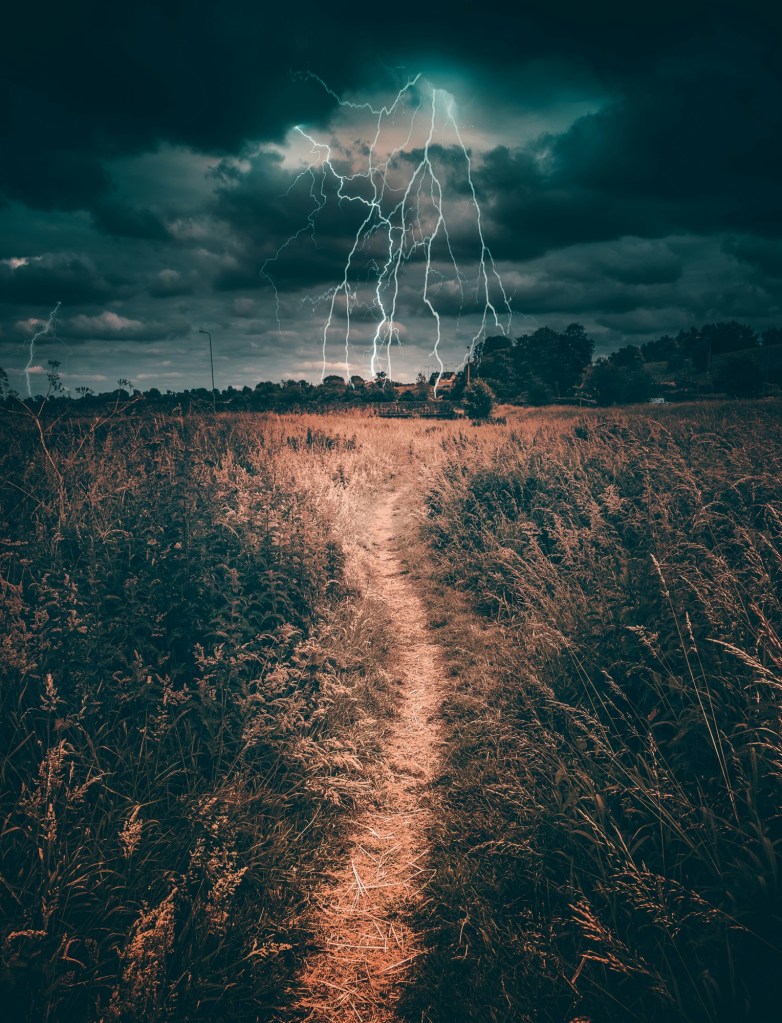
I thought the storm had already swallowed me whole. I thought I’d become its wind, its rain, its noise. But somewhere inside the noise there’s still a heartbeat, faint but there. It’s mine.
The rain hasn’t stopped, but I’m still breathing. My hands are still here. My body is still here. For all the weight pressing down on me, some part of me keeps moving. It isn’t brave. It isn’t heroic. It’s just human — a quiet, stubborn instinct to stay alive even when everything feels pointless.
People tell me storms pass. I don’t know if that’s true. Maybe some storms never leave; maybe they become part of you. But even inside them, there are moments — a break in the clouds, a single breath that doesn’t hurt, a voice on the other end of the phone. Tiny things, but enough to prove that the storm isn’t the only thing that exists.
I don’t have a map. I don’t have a plan. But right now, in this moment, I’m still here. And that has to mean something. If the storm is part of me, then so is the heartbeat, so is the small voice saying not yet.
I’m not out of the storm. I don’t know if I ever will be. But for now I’m learning how to breathe inside it. And maybe that’s the first step toward finding a way through.
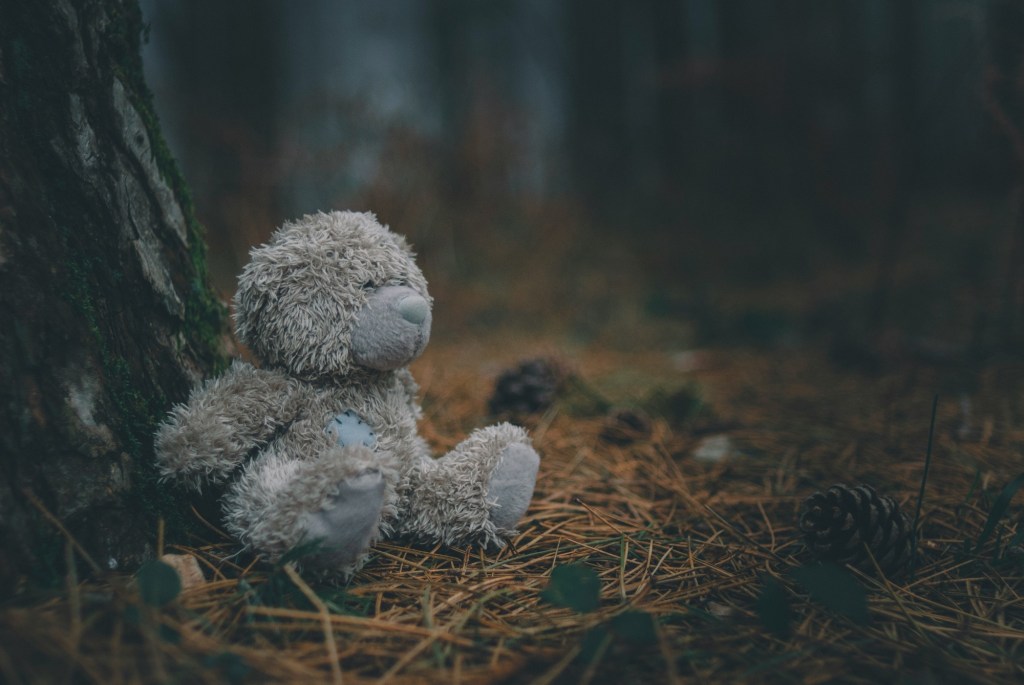
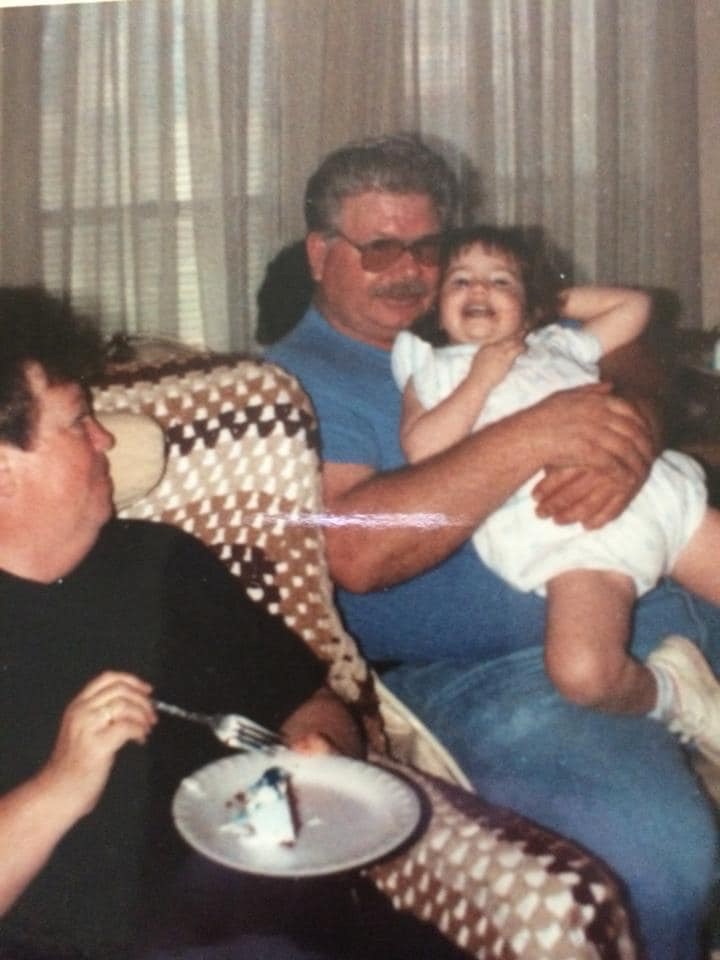
I know it isn’t fair to ask that of someone who’s gone, but the question sits in my chest like a stone. You didn’t walk out, you didn’t turn your back, you died — but all my heart can feel is that you left. And I’m still here, reaching into empty air.
I keep replaying our last moments, the sound of your voice, the way you looked at me. I tell myself you didn’t choose this, that death came like a thief and took you without asking. But some nights, in the dark, the anger rises anyway. You loved me. You knew I still needed you. So why am I here alone?
Everything you touched still hums with your absence. The places we went feel hollow. The air feels heavier. People tell me time will soften it, that grief fades, that love doesn’t end just because someone dies. But they don’t see me lying awake at night, whispering your name into the dark, asking the same question over and over: if you loved me, why’d you leave me?
Maybe you didn’t have a choice. Maybe your leaving wasn’t a decision but a final surrender your body made without your permission. Maybe love can’t hold someone here when the weight gets too heavy. I tell myself that, and some days it helps. Other days it doesn’t.
I wish you could see me now. I wish you could tell me what to do with all the pieces you left behind. I wish you could tell me how to live without you. But you can’t. So I’m left with this letter, and the silence after it.
I still love you. I still feel you. And even though you left, I’m still here.
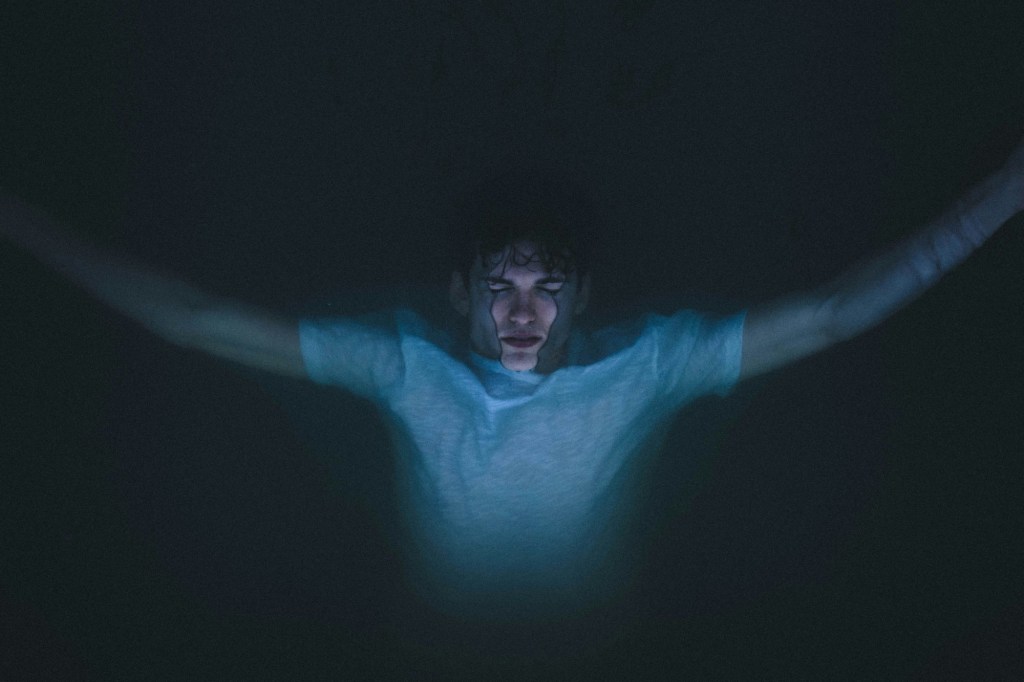
Depression is like drowning, except you can still breathe. My chest rises and falls, my lungs fill with air, but inside everything feels heavy, waterlogged, sinking. People see me standing, walking, talking. They see me smile. They think I’m fine because I’m not flailing, not gasping for air. They don’t realize drowning doesn’t always look like chaos—it can be quiet. It can be invisible.
It’s not the violent splashing kind, the kind that makes people rush to the rescue. It’s the silent slipping under, inch by inch. Every day, my head sinks a little lower beneath the surface, and the world grows muffled. Sounds dull. Colors fade. Even my own thoughts feel blurred, like they’re trapped underwater with me.
I want to scream, but the sound dies before it leaves my throat. I want to reach out, but my arms are too heavy. And so I smile, nod, laugh when I’m supposed to. I carry on. Because if I let the mask slip, if I let people see the water rising around me, I’m not sure they’d understand. I’m not sure they’d believe me.
What no one tells you about drowning is how exhausting it is. Every second is survival—treading water, pretending it’s effortless, hiding the fatigue. My arms ache. My chest burns. My mind whispers that it would be easier to stop fighting, to just let myself sink. And the truth is, sometimes that thought feels like relief.
That’s the cruelty of it. Depression doesn’t take away my breath—it lets me breathe, but makes the air feel useless. It doesn’t stop my heart—it just strips the meaning out of every beat. I’m alive, but it doesn’t feel like living. It feels like waiting. Waiting for someone to notice. Waiting for the current to change. Waiting for the day when I either finally reach the shore or stop fighting altogether.
And some nights, I can feel it—my body getting heavier, the pull of the water stronger, my will to fight fading. I don’t just think about sinking anymore. I start to wonder what it would feel like to stop treading, to let the silence take me under completely.
That’s the darkest truth of drowning in depression: you don’t always go under screaming. Sometimes you just… go under.


 Through the Fog