Author: Emery Lane Grey

  • Hanging on Hope

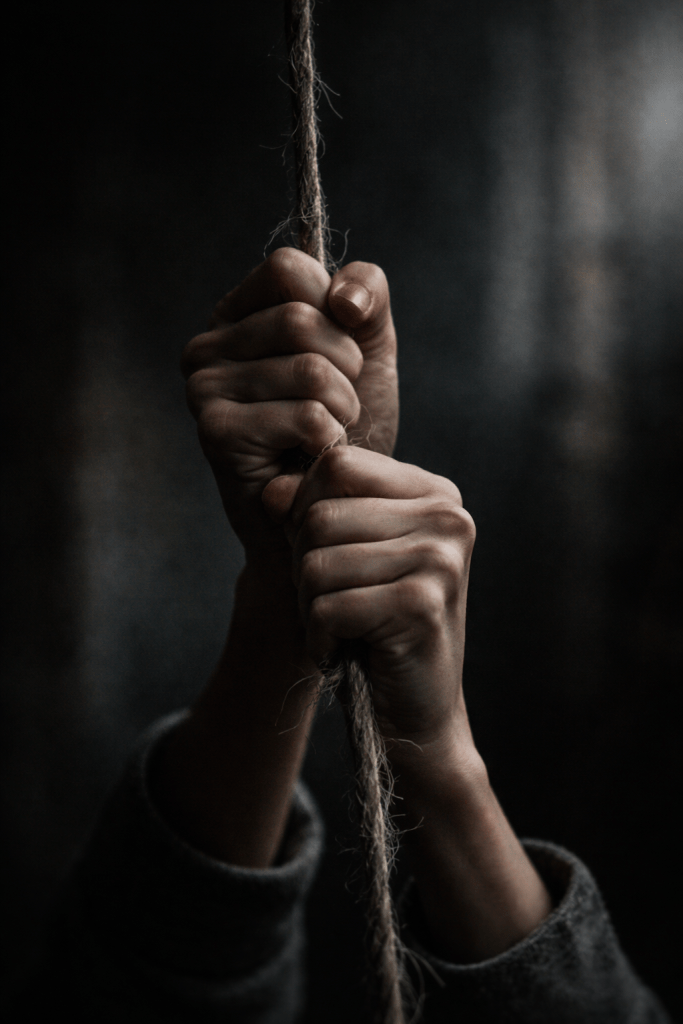
    I don’t hold hope

    like something certain.

    I hold it

    like the edge of a cliff—

    fingers raw,

    arms shaking,

    refusing to let go

    even when the wind

    tries to reason with me.

    Hope isn’t bright.

    It isn’t loud.

    It doesn’t always feel

    like faith.

    Sometimes

    it feels like defiance.

    Like saying

    not yet

    to the dark.

    Like choosing

    one more breath

    when the weight in my chest

    argues otherwise.

    There are days

    it thins to a thread—

    barely visible,

    barely strong enough

    to carry my name.

    But I’ve learned something

    about threads.

    They tangle.

    They knot.

    They hold

    more than they look like they can.

    I am hanging on hope

    not because I’m fearless,

    not because I’m sure,

    but because I’ve seen

    what happens

    when I let go.

    And I am not ready

    to fall back

    into the version of me

    that mistook surrender

    for peace.

    So I grip it—

    this quiet, stubborn thing.

    Even if it frays.

    Even if it burns my palms.

    Even if all I have

    is the smallest whisper

    that tomorrow

    might not feel

    like today.

    Sometimes survival

    isn’t a leap of faith.

    Sometimes

    it’s just

    refusing

    to unclench

    your hands.
  • Stuck

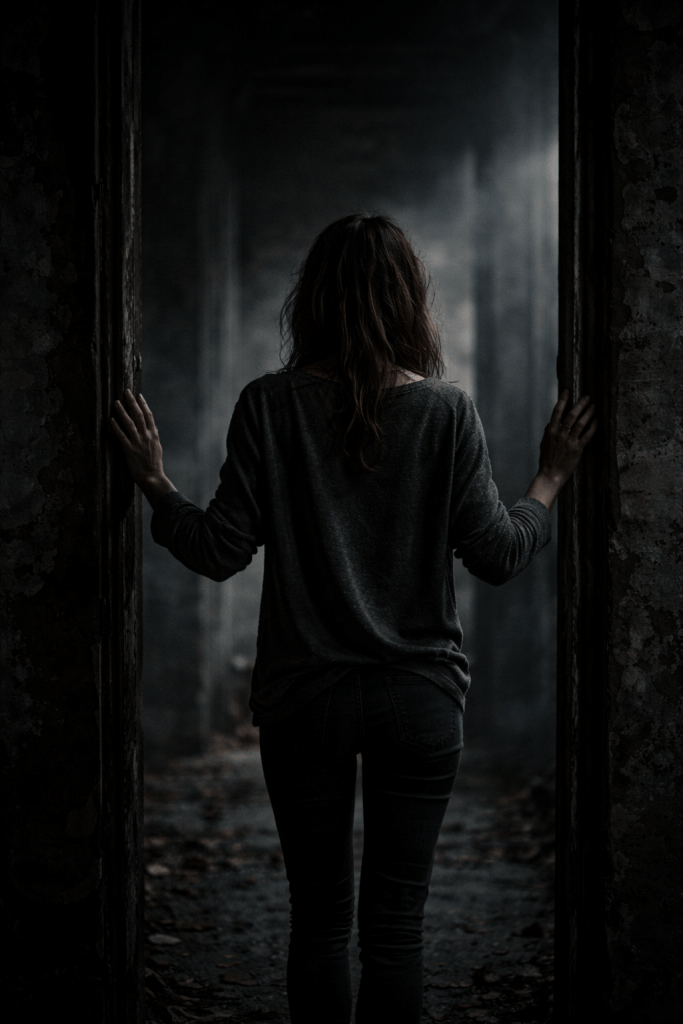
    I’m stuck here—

    in this space between

    who I was

    and who I fought to become.

    And I’m scared.

    Not of falling apart loudly.

    Not of breaking in some obvious way.

    I’m scared of the quiet slide.

    The subtle shift.

    The old voice clearing its throat

    inside my head.

    I remember her.

    The version of me

    that didn’t care

    what burned

    as long as I felt something.

    The one who mistook chaos

    for control.

    Who called self-destruction

    freedom.

    Who wore damage

    like armor.

    I buried her.

    Or maybe I just

    outgrew her.

    But sometimes

    when I feel cornered,

    when life presses too close

    to my ribs,

    I feel her move.

    Not gone.

    Just waiting.

    I don’t want to lose control.

    I don’t want to wake up

    one morning

    recognizing the hunger

    in my own hands again.

    I worked too hard

    to soften.

    Too hard to breathe

    before reacting.

    Too hard to choose quiet

    over fire.

    Being stuck

    is better than being reckless.

    Stillness

    is better than self-sabotage.

    If this is the space

    between breaking

    and becoming—

    then I will stand here.

    Shaking.

    But standing.

    Because the fact

    that I’m afraid

    of going back

    means I already know

    I don’t belong there anymore.

  • Hurt People Hurt People

    They say

    hurt people hurt people

    like it’s a proverb

    you’re supposed to swallow whole—

    like pain is a permission slip

    passed quietly

    from one trembling hand to another.

    As if wounds

    are instructions.

    As if bleeding

    is a language

    that only knows

    how to say

    come closer

    so I can show you

    what it did to me.

    I have been hurt.

    Deeply.

    In places that still echo

    when someone shuts a door too hard.

    But I learned something

    in the dark:

    Pain explains behavior.

    It does not excuse it.

    There is a difference

    between understanding

    and allowing.

    Between empathy

    and self-abandonment.

    Yes—

    hurt people hurt people.

    But healed people

    break the pattern.

    Healed people

    feel the fire rise

    and choose

    not to hand it forward.

    Healed people

    sit with the ache

    instead of building

    a throne out of it.

    I am learning

    that my scars

    are not weapons.

    They are reminders

    of what I survived—

    not what I’m entitled

    to inflict.

    If I bruise you

    because I was bruised,

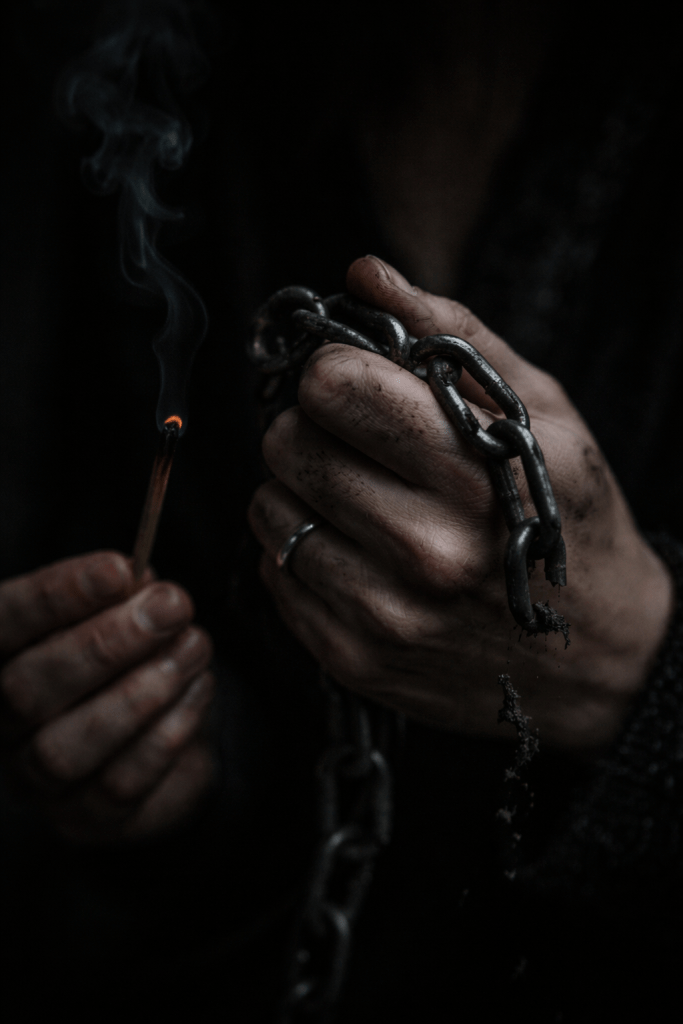
    then the chain continues.

    If I pause—

    if I breathe—

    if I choose differently—

    then something ancient

    ends with me.

    Maybe that’s the real inheritance:

    not pain,

    but the moment

    someone finally decides

    it stops here.

  • Polished Lies

    Things are not always

    what they seem to be.

    Some truths wear a better disguise,

    polished enough to pass,

    softened just enough

    to be believed.

    Smiles can be rehearsed.

    Silence can mean more than words.

    And what looks like strength

    is sometimes just exhaustion

    standing upright.

    I’ve learned to look past the surface—

    past the shine,

    past the stories people tell

    to survive themselves.

    Because clarity doesn’t announce itself.

    It waits.

    Things are not always what they seem to be,

    and sometimes the real damage

    isn’t what’s visible—

    it’s what’s carefully hidden

    until no one’s left

    to notice.

  • Maybe It’s My Fault

    Maybe it’s my fault

    for not giving you

    enough attention.

    Maybe love is measured

    in minutes I missed,

    in texts I didn’t send fast enough,

    in the quiet times

    I needed for myself

    that you heard as absence.

    Maybe if I had been

    softer,

    quieter,

    smaller—

    you wouldn’t have felt

    so far away.

    I’ve turned this question

    over and over

    in my hands,

    like something sharp

    I keep choosing

    to hold.

    Because blame

    is easier to carry

    than truth.

    Truth asks harder things—

    like whether love

    should require

    my constant proving.

    Like whether care

    should feel

    like a test

    I’m always failing.

    Maybe I did miss moments.

    Maybe I wasn’t perfect.

    Maybe I couldn’t give

    everything

    you wanted.

    But love

    isn’t supposed

    to be starvation

    for one person

    and sacrifice

    for the other.

    Love should survive

    ordinary silence.

    It should breathe

    without permission.

    It should not crumble

    the moment

    I turn inward

    to find myself.

    So maybe

    it isn’t my fault

    after all.

    Maybe the truth

    is quieter

    and harder

    to accept—

    that I was trying

    to love you

    with a whole heart

    while slowly

    forgetting

    to love myself.

    And maybe healing

    begins

    the moment

    I stop asking

    what I did wrong

    and start asking

    why I believed

    I had to disappear

    to be loved.

  • Drawing Straws

    I keep drawing straws—

    each one shorter than the last,

    like fate is shaving inches

    off my hope

    with careful hands.

    I tell myself it’s random.

    Chance.

    Bad timing.

    A season that just won’t turn.

    But the pile at my feet

    says otherwise.

    Every time I reach in,

    I already know

    what my fingers will find—

    the splintered end,

    the one that means

    not this time,

    not for you,

    try again with less to stand on.

    I’ve learned to smile

    before anyone can pity me.

    Learned to nod

    like I expected it.

    Like disappointment

    and I have a private agreement

    to meet here.

    It’s strange

    how a person can grow smaller

    without anyone noticing—

    how hope can shrink

    quietly,

    like a wick burning low

    in a room no one enters anymore.

    Still, I keep reaching.

    Because somewhere inside me

    there’s a stubborn pulse

    that refuses to believe

    this is the only ending available.

    Maybe one day

    I’ll draw a long one—

    smooth, untouched,

    ridiculous in its generosity.

    Or maybe

    the miracle won’t be the straw at all.

    Maybe it will be the moment

    I stop measuring my worth

    by what I pull from a handful

    of borrowed luck.

    Maybe it will be

    when I finally let go of the cup,

    open my palm,

    and decide

    I was never meant

    to gamble

    for a life

    that was already mine.

  • Small Rooms

    You never raised your voice

    high enough

    for the world to hear.

    That was the first thing

    that made it hard to name.

    Control didn’t arrive

    as shouting or slammed doors—

    it came softly,

    wrapped in concern,

    dressed like love

    that just wanted to keep me safe.

    You asked where I was going

    as if worry lived in the question.

    You read my silence

    like permission.

    You slowly folded my world smaller

    until it fit neatly

    inside your comfort.

    I told myself

    this is what devotion looks like.

    This is what commitment asks for.

    This is what good partners do—

    they adjust,

    they soften,

    they stop needing so much space.

    So I became quiet

    in places that once felt bright.

    Careful with laughter.

    Careful with friends.

    Careful with any version of myself

    that didn’t revolve around you.

    The strangest part

    is how invisible it was.

    No bruises.

    No broken glass.

    Just the slow disappearance

    of a woman

    who used to feel like sky.

    And you called it love.

    Maybe part of you

    believed that.

    Maybe control

    was the only language

    you were ever taught

    to speak.

    But love

    should not feel

    like permission

    I have to earn.

    It should not shrink

    when I grow.

    It should not tremble

    when I stand up straight

    and take a full breath.

    I know that now.

    Because the day I noticed

    how small the room had become

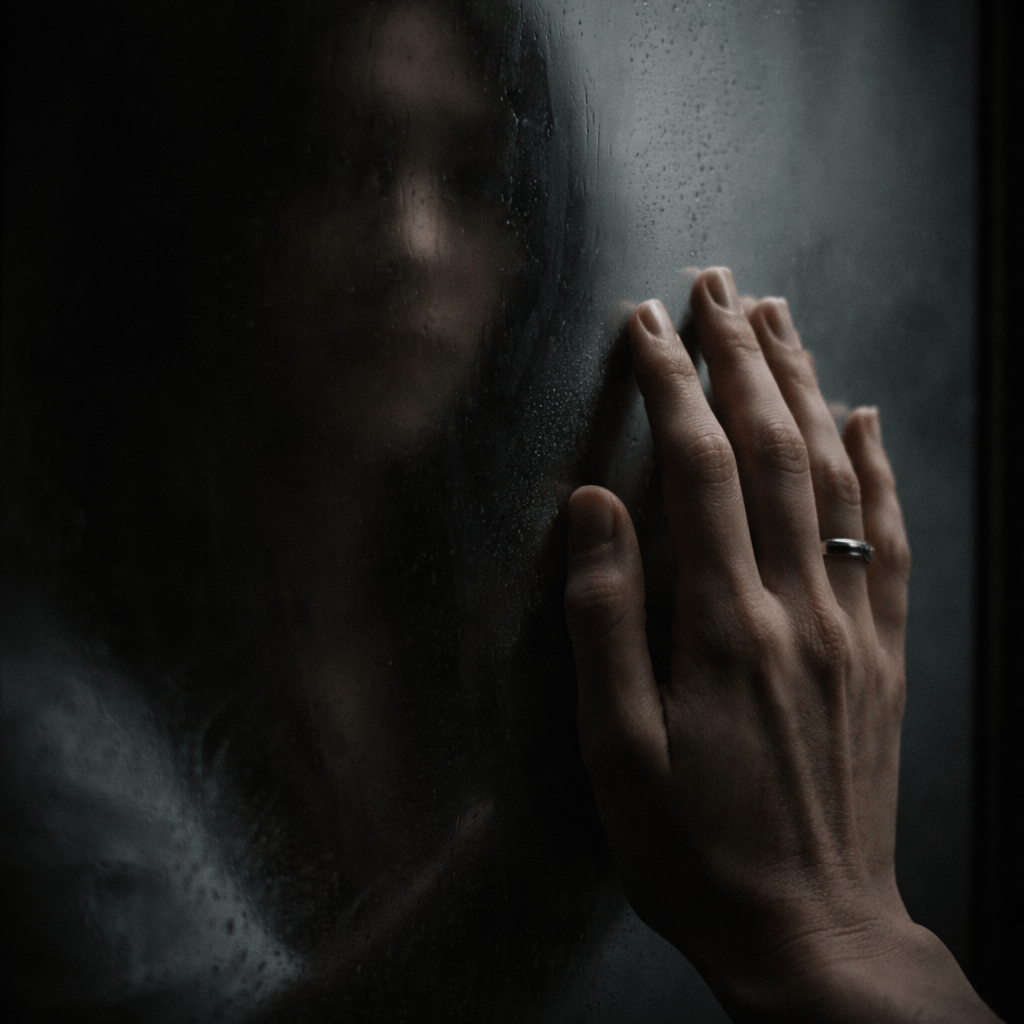
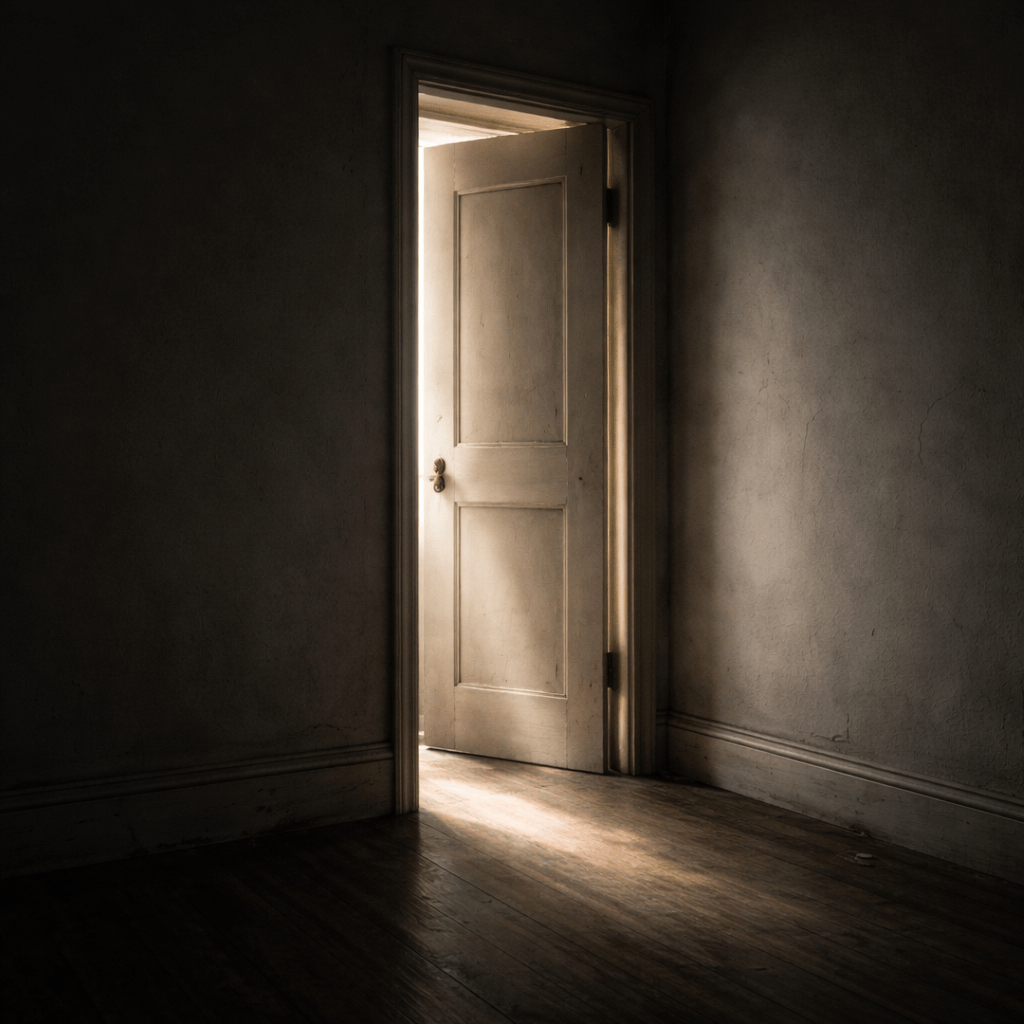
    was the day a window

    finally appeared.

    Not open—

    just visible.

    And sometimes

    freedom begins

    that quietly.

    With the simple,

    dangerous thought:

    I was never meant

    to live

    this small.

  • Slow Erosion of Self

    It didn’t happen all at once.

    No single moment

    I could point to and say,

    there—

    that’s where I lost myself.

    It was quieter than that.

    More like water

    touching stone

    day after patient day,

    until the edges

    forgot

    how to be sharp.

    I started letting small things go—

    opinions

    that felt too heavy to defend,

    dreams

    that needed more space

    than the room allowed,

    pieces of laughter

    that sounded wrong

    in the wrong silence.

    Nothing dramatic.

    Nothing anyone would notice.

    Just the slow trade

    of truth for peace,

    of voice for calm,

    of self

    for staying.

    I became easy.

    Agreeable.

    Low-maintenance

    in all the ways

    that make a person

    hard to find again.

    And the strangest part

    was how normal it felt.

    How erosion

    can look like love

    when you’re standing

    inside it.

    Until one day

    I reached for myself

    out of habit—

    and touched

    only absence.

    No anger.

    No clear grief.

    Just a quiet question

    echoing through

    a hollow place:

    When did I disappear?

    I wish I could say

    this is the part

    where everything returns

    bright and certain.

    But truth is slower.

    Healing begins

    not with becoming whole,

    but with noticing

    what’s missing.

    With naming

    the emptiness

    instead of decorating it.

    With the fragile decision

    to believe

    a self can be rebuilt

    from fragments

    no one else

    thought were worth keeping.

    So now

    I gather pieces—

    a boundary here,

    a memory there,

    one honest word

    spoken softly

    into open air.

    It isn’t dramatic.

    It isn’t fast.

    But erosion

    took time.

    And maybe

    returning

    will too.

  • When the Sun Sets

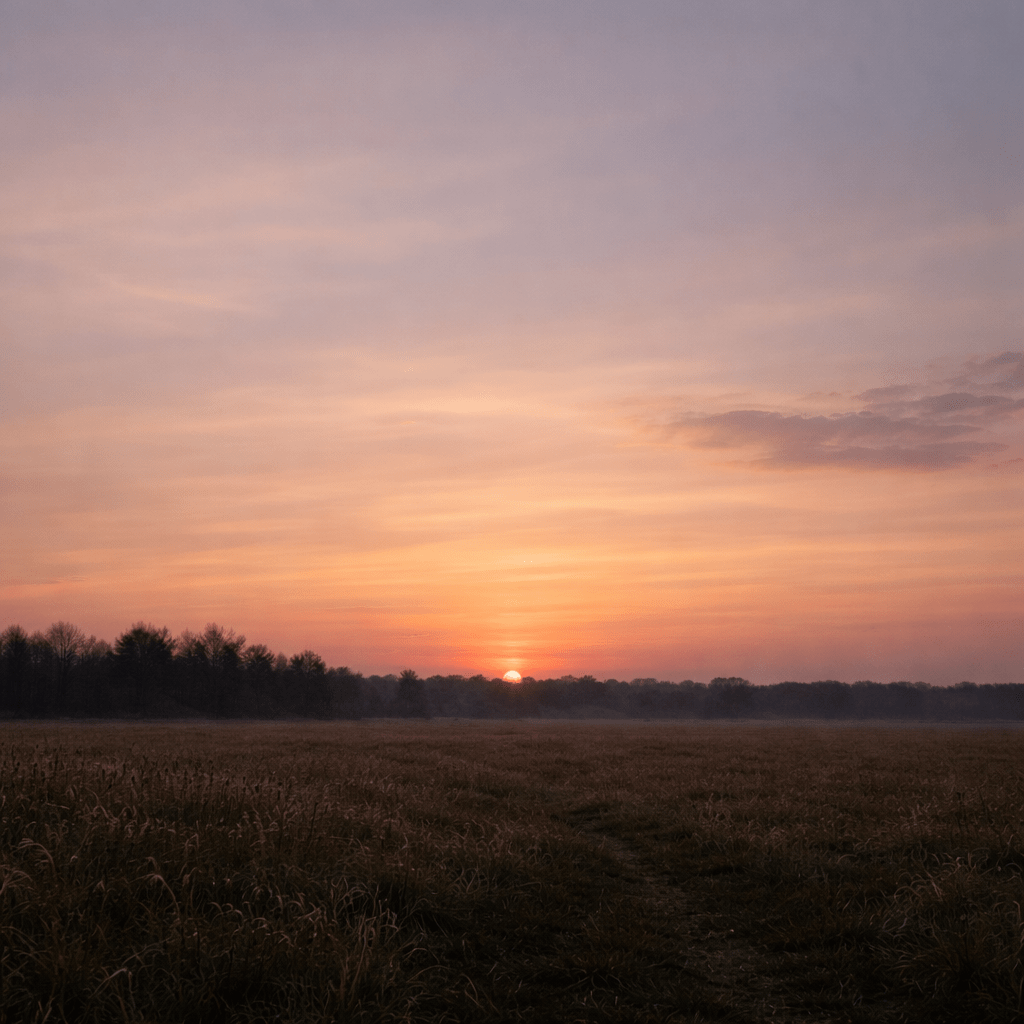
    When the sun sets,

    everything softens.

    Edges blur.

    Voices quiet.

    The world loosens its grip

    on the day it just survived.

    There’s something honest

    about that hour—

    when the light pulls back

    without apology,

    and even the sky

    admits it cannot burn forever.

    I used to fear sunsets.

    They felt like endings—

    like proof that warmth

    is always temporary,

    that everything beautiful

    is already on its way

    to disappearing.

    But now I see it differently.

    The sun doesn’t set

    because it failed.

    It sets because rest

    is part of the rhythm.

    Because even light

    needs somewhere

    to lay down.

    And the dark that follows

    is not punishment.

    It is quiet.

    It is breathing space.

    It is the place

    where stars get their chance

    to speak.

    When the sun sets,

    nothing is lost.

    It is only shifting—

    making room

    for a different kind

    of brightness.

    Maybe we are like that too.

    Maybe our hard days

    aren’t endings.

    Maybe they are

    just the lowering of light

    before something gentler

    rises.

    So when the sun sets,

    I don’t panic anymore.

    I let it go.

    I let the sky dim.

    I trust that somewhere

    beyond what I can see,

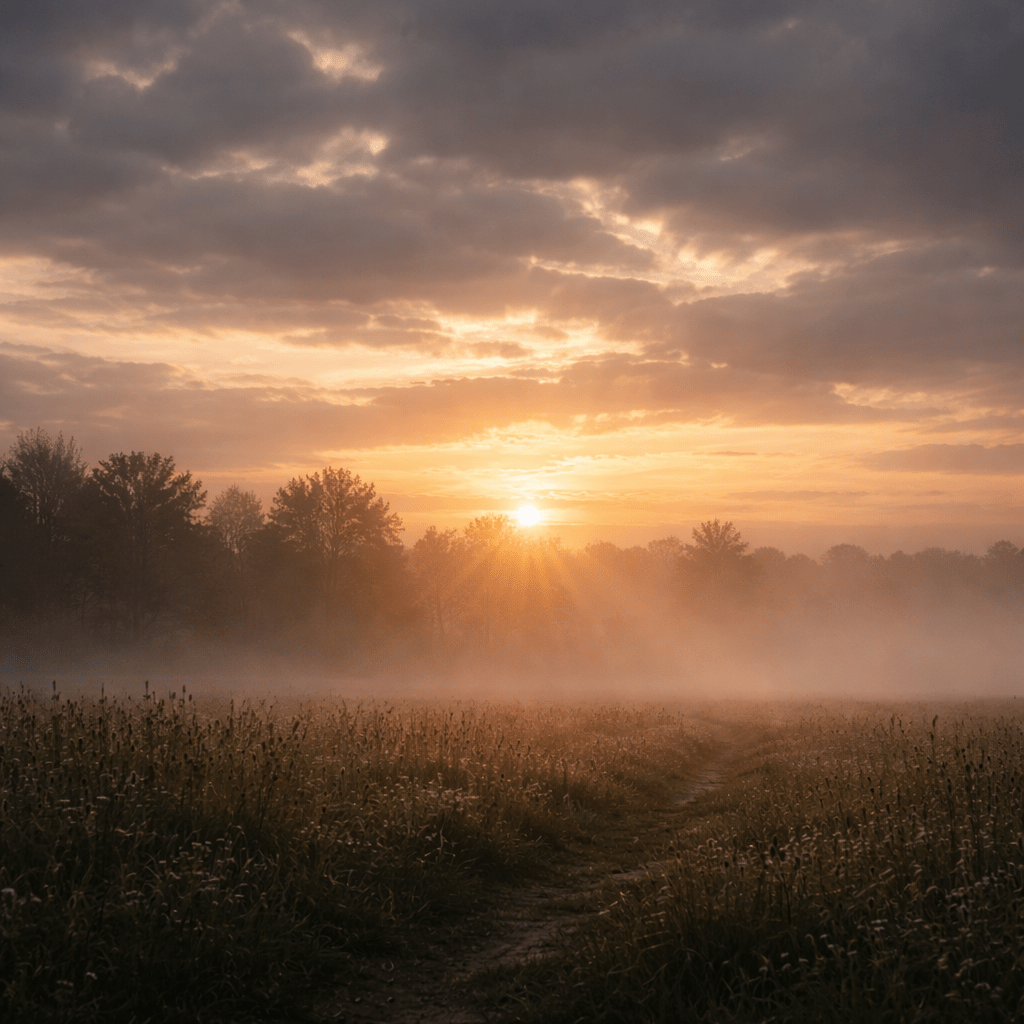
    light

    is already

    on its way back.

  • Hard Seasons

    Some seasons don’t announce themselves

    with thunder.

    They slip in quietly—

    a slow dimming of color,

    a heaviness in the air

    that no one else seems to notice.

    You keep moving.

    You answer questions.

    You show up where you’re expected.

    But something inside you

    is walking through mud

    no one can see.

    Hard times don’t always look dramatic.

    Sometimes they look like

    laundry folded with tired hands,

    like unread messages,

    like staring at the ceiling

    and bargaining with morning.

    You tell yourself

    this is temporary.

    You tell yourself

    you’ve survived worse.

    You tell yourself

    strength is just endurance

    with better branding.

    But endurance gets lonely.

    There are nights

    when hope feels like a rumor,

    like something other people

    in brighter houses

    get to believe in.

    And still—

    you breathe.

    Not heroically.

    Not bravely.

    Just consistently.

    You take one small step

    because the floor is still there.

    You drink water.

    You answer one email.

    You let the day pass

    without demanding it be beautiful.

    And that counts.

    Hard seasons shape you

    in ways sunshine never could.

    They carve quiet resilience

    into your bones.

    They teach you

    that surviving

    is not the same as failing.

    One day,

    you will look back

    and realize

    you were growing

    in the dark.

    Not all growth

    reaches for light immediately.

    Some of it happens underground—

    roots stretching deeper

    so that when the wind returns,

    you don’t fall.

    Hard times are not the whole story.

    They are chapters—

    heavy ones, yes,

    but still turning.

    And if all you do today

    is stay—

    if all you manage

    is another breath—

    that is not weakness.

    That is a beginning.